Why White-Label VPN Is One of the Fastest Growing SaaS Businesses
1. What Is a White-Label VPN?
A white-label VPN is a ready-made VPN product that a company can brand and sell as its own. Instead of building the VPN infrastructure, apps, billing flows, and support systems from the ground up, the business works with a VPN infrastructure provider or VPN white label platform and launches a branded VPN solution faster. For SaaS teams, this is often an efficient way to enter the privacy market without taking on the full weight of engineering and operations.
In practical terms, a white-label VPN business model allows a company to offer VPN as a service under its own name while outsourcing the underlying technical stack. That can include the servers, protocols, apps, onboarding experience, and administrative tooling needed to run the service. The result is a private label VPN product that feels native to the brand but is powered by external infrastructure.
How white-label VPN differs from building from scratch
Building a VPN product from scratch requires significant investment in development, infrastructure, and ongoing maintenance. A white-label VPN solution shortens that path by providing the foundation already in place. This is a key reason the model appeals to founders who want to launch a VPN brand without creating every component themselves.
The difference is not only speed. A white-label approach can also reduce complexity for teams that want to focus on brand, positioning, and customer acquisition rather than low-level infrastructure management. For many SaaS operators, that tradeoff makes the opportunity more accessible.
Core components of a white-label VPN offering
While offerings vary, a white-label VPN typically includes the essential elements needed to sell a subscription security product. These often include branded apps, server access, user onboarding, account management, and the backend systems required to run the service. Some providers also support embedded VPN features or API integration for broader product experiences.
Because the business is built on a shared technical foundation, the provider handles much of the heavy lifting. The SaaS company can then present the experience as a polished, branded VPN product aligned with its own customer journey.
2. Why White-Label VPN Is Growing So Quickly
White-label VPN is gaining momentum because it fits several major SaaS priorities at once. It helps companies move quickly, keeps development overhead lower, and meets growing market demand for privacy and security tools. At the same time, it supports recurring revenue SaaS models that many operators already rely on.
Faster time to market
Speed is one of the strongest advantages of a white-label VPN platform. Instead of spending months or longer building a product from scratch, SaaS teams can launch a VPN brand far more quickly. That shorter path to market matters in a competitive environment where timing often shapes adoption.
For a company that wants to test demand for a B2B VPN product or a consumer-facing privacy offer, the ability to move quickly can reduce risk. It also lets teams validate pricing, messaging, and audience fit before committing to larger product investments.
Lower development and infrastructure costs
VPN products are operationally demanding. They require infrastructure, security knowledge, and ongoing maintenance. Using a white-label VPN reduces the need to build and maintain all of those systems in-house. That makes the model especially attractive to SaaS brands that want to expand into cybersecurity SaaS without taking on a full engineering burden.
This cost efficiency is part of the broader appeal of VPN as a service. A provider supplies the technical backbone, while the partner focuses on growth and brand. For many businesses, that structure creates a practical path into a category that otherwise looks expensive and time-consuming to enter.
Strong demand for privacy and security tools
As privacy and security continue to matter more to customers, products that address those concerns become easier to position. A white-label VPN fits naturally into that demand because it is a recognizable subscription security product with clear value. It can be sold as a standalone offer or as part of a larger security bundle.
This demand is one reason the category fits well inside modern SaaS portfolios. When users already associate a brand with trust, convenience, or digital protection, a VPN offer can feel like a logical extension of the experience.
Recurring subscription revenue
Another reason white-label VPN is growing is the strength of the recurring revenue SaaS model. Subscription-based pricing gives the business predictable income over time, which is especially valuable in software. Instead of a one-time purchase, the company can generate ongoing revenue from active customers.
That recurring structure also makes the product attractive to operators focused on long-term value. A well-positioned VPN reseller program or branded VPN solution can create a durable revenue stream when customers continue subscribing month after month or year after year.
3. Why SaaS Companies Are Adding VPN Features
Many SaaS businesses are not treating VPN as a separate experiment. Instead, they are using it to deepen their product value and strengthen their subscription offering. In that sense, white-label VPN is becoming part of a broader strategy to add embedded security features that improve the overall customer experience.
Expanding product value without rebuilding core systems
SaaS companies often want to expand the value of their platform without diverting resources from their main product roadmap. A white-label VPN makes that possible because the company can add a privacy layer without rebuilding core systems. This allows product teams to broaden the offering while preserving focus on their existing platform.
For growth-focused B2B product teams, that can be a smart way to enter a new category with less operational strain. The result is a stronger product story without a complete technical overhaul.
Bundling security into existing subscriptions
Bundling is one of the clearest ways to use a branded VPN solution. If a company already sells software subscriptions, VPN access can be packaged as an added benefit or premium tier feature. This gives customers more value in a format they already understand: one subscription, more utility.
This approach can be especially appealing in markets where users expect privacy tools as part of a modern digital offering. Rather than selling the VPN in isolation, the SaaS brand can position it as a natural extension of the main product.
Increasing retention and customer lifetime value
Adding VPN functionality can also support retention. When a security feature becomes part of a daily workflow or a trusted subscription bundle, customers may have more reason to stay engaged. That can improve customer lifetime value, which is a major priority for SaaS operators.
A VPN offer does not replace core product value, but it can reinforce it. When a subscriber sees the platform as both useful and protective, the relationship becomes harder to break.
4. Business Models That Make White-Label VPN Attractive
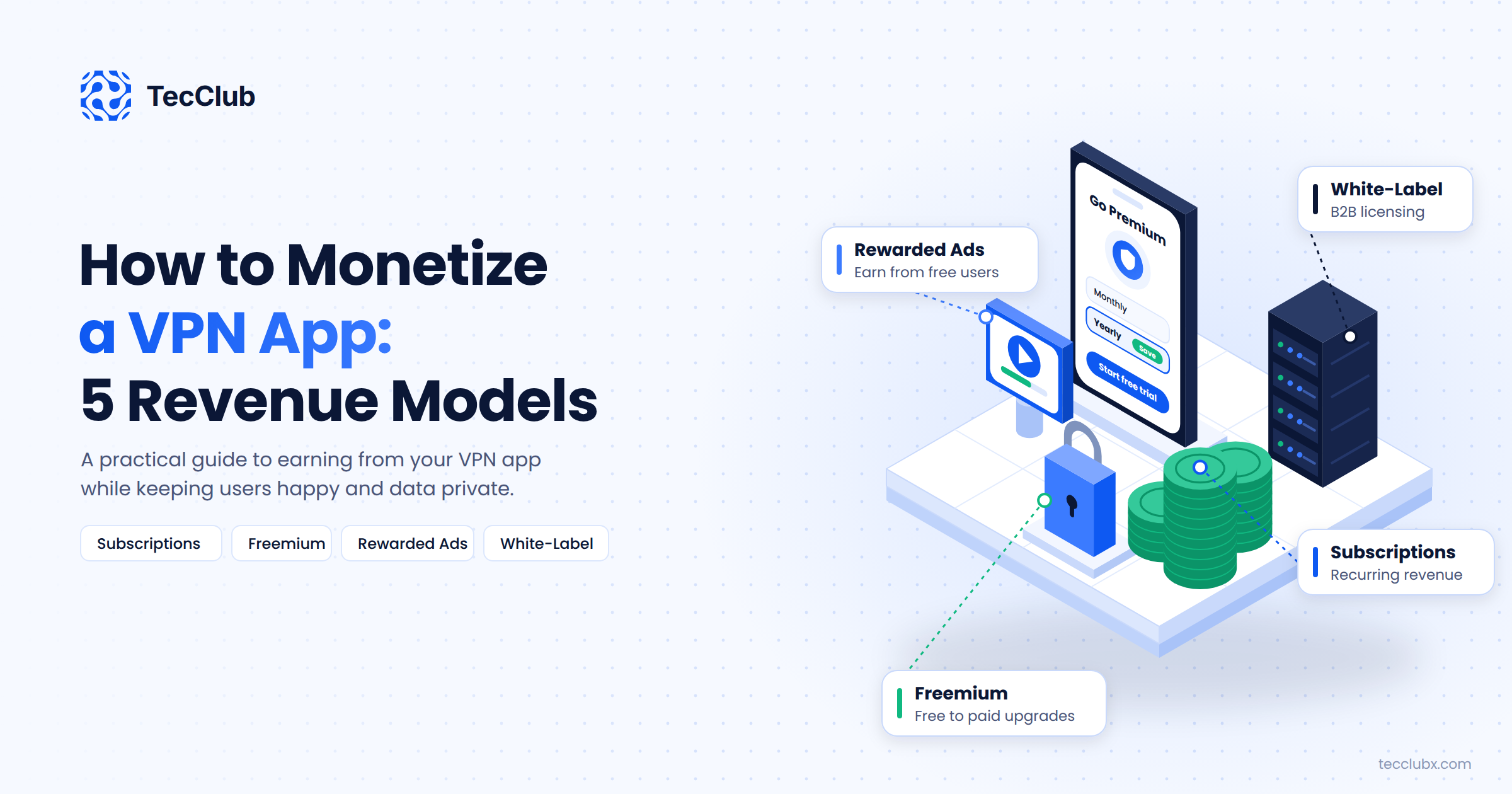
The white-label VPN business model is flexible enough to support several go-to-market approaches. That flexibility is one reason it appeals to SaaS founders, MSPs, telecom providers, and VPN resellers alike. Depending on the audience, the same underlying platform can be structured in different ways.
Monthly and annual subscriptions
The most straightforward model is a subscription plan sold directly to customers. Monthly and annual pricing are both common because they align with the recurring revenue expectations of SaaS buyers. This model is easy to understand and works well for businesses that want a simple branded VPN product.
Annual plans can also support longer customer commitments, while monthly plans lower the barrier to entry. Many companies use both to give buyers flexibility.
Reseller and partner programs
A VPN reseller program gives partners a way to market and sell the service under their own brand or as part of a broader offering. This can be attractive for organizations that already have access to a relevant customer base and want to add a privacy product without building it themselves.
Partner-led distribution is especially useful when the buying relationship already exists. A trusted provider can introduce VPN as a service into an established channel, making adoption easier than starting from zero.
Enterprise and B2B licensing
Some white-label VPN offers are designed as a B2B VPN product with licensing or custom deployment options. This can work for businesses that need a branded solution for internal teams, customer bundles, or enterprise-facing services. In these cases, the value lies not only in branding but also in the ability to integrate the product into a larger commercial relationship.
For companies serving businesses rather than consumers, the white-label model offers a practical way to extend the product line with less friction.
5. Key Benefits for SaaS Founders and Operators
White-label VPN is attractive because it combines strategic control with operational leverage. SaaS founders do not need to own every technical layer to own the customer relationship and the brand experience. That balance can create meaningful business advantages.
Brand control with outsourced infrastructure
One of the biggest benefits is the ability to keep the customer-facing brand while outsourcing the technical infrastructure. This gives operators control over positioning, pricing, and messaging without having to manage every server and codebase internally. For a privacy-focused SaaS product, that separation can be highly practical.
It also allows the company to present a unified customer experience. The user sees one brand, one product, and one subscription relationship, even if the backend is powered by a VPN infrastructure provider.
Easier scaling across devices and platforms
VPN products often need to work across multiple devices and platforms. A white-label VPN platform can make that easier by supplying the foundation needed to support broader distribution. This matters for companies that want to grow beyond one channel or one interface.
For operators, scalability is not only about infrastructure size. It is also about the ability to expand the product in a controlled way while keeping the brand experience consistent.
Potential for high-margin add-on revenue
Because the product can be layered onto an existing SaaS offering, white-label VPN may serve as an add-on revenue stream with strong margin potential. The company is not starting from scratch, and that can improve the economics of the offer compared with building a full standalone system internally.
For growth teams, this makes the model appealing as an expansion play. It can create incremental revenue while reinforcing the core subscription relationship.
6. Challenges and Risks to Consider
Even with its advantages, white-label VPN is not a low-effort business. The model depends on reliable delivery, clear compliance expectations, and a market position that stands out from similar offers. Any SaaS company evaluating the opportunity should think carefully about execution risk.
Infrastructure reliability and performance
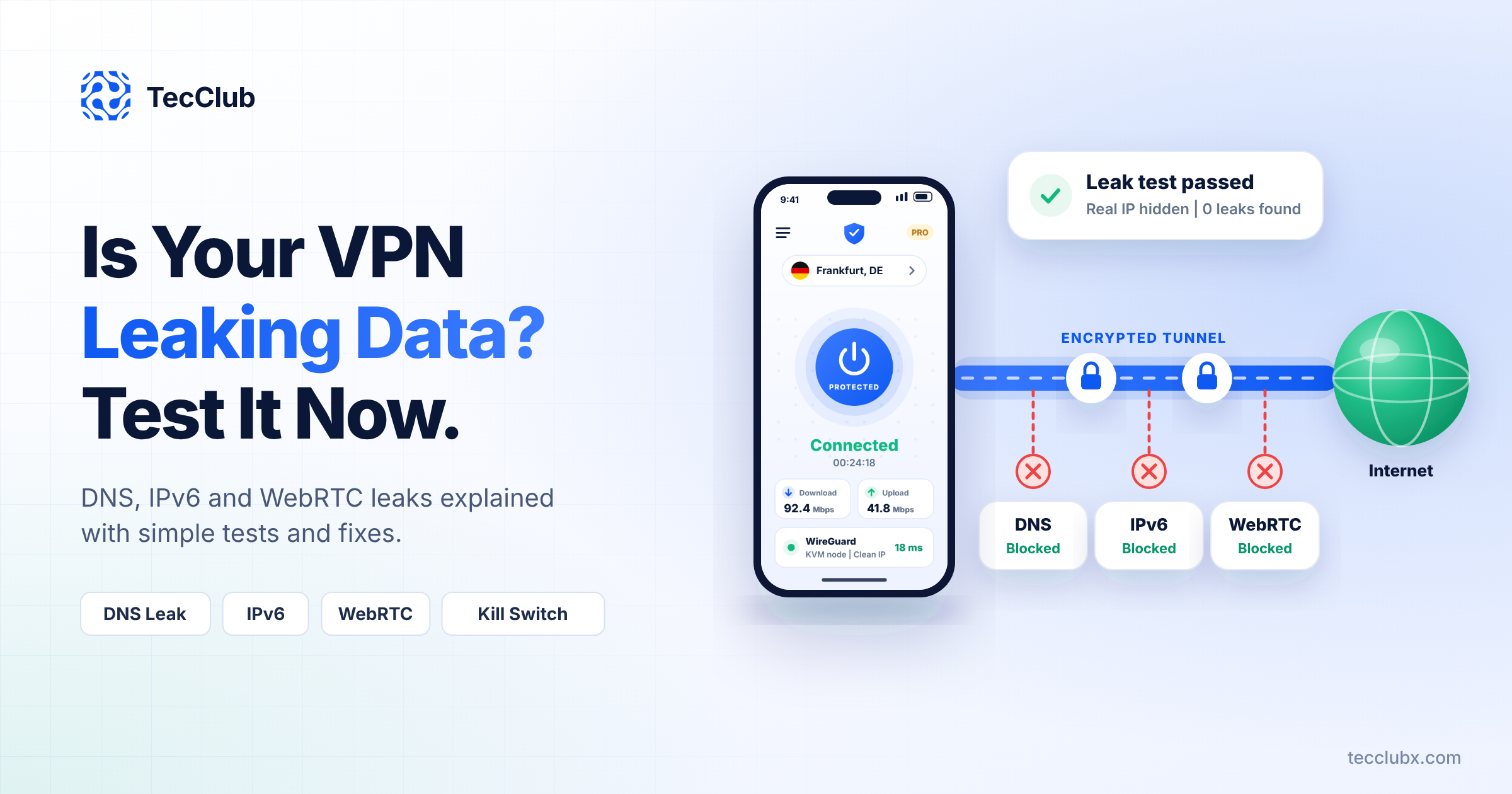
VPN users expect the service to work consistently. If the underlying infrastructure performs poorly, the brand can suffer even if the customer never sees the technical layer directly. This makes reliability one of the most important considerations when choosing a provider.
Teams should understand how the platform is built to support performance and what level of service is available behind the branded experience.
Compliance, privacy, and support expectations
Because VPN products sit in the cybersecurity and privacy space, customers may expect a high level of trust and support. That means the company must be comfortable with the standards associated with a subscription security product, including the expectations that come with handling customer trust.
Support planning matters as well. Even when infrastructure is outsourced, the brand owner is still responsible for the customer relationship.
Differentiation in a competitive market
White-label products can make it easier to launch, but they do not automatically create a unique market position. If multiple brands offer similar services, differentiation becomes a strategic challenge. SaaS companies need a clear reason for customers to choose their version of the product over another branded VPN solution.
That can come from distribution, audience fit, packaging, pricing, or the way the VPN is embedded into a larger platform. Without a strong positioning strategy, the offer can become just another subscription in a crowded field.
7. How to Evaluate a White-Label VPN Provider
Choosing the right partner is critical because the provider shapes the quality, flexibility, and launch experience of the product. A strong VPN white label platform should support both technical performance and business growth. SaaS teams should look beyond the surface branding opportunity and assess the operational fit carefully.
App support and branding options
Start by looking at how much control you have over the user experience. Can the provider support branded apps? Are the logos, colors, and product names customizable? Does the platform allow the company to present a cohesive identity across onboarding and customer communication?
These questions matter because branding is central to the white-label model. The more consistent the experience, the easier it is to launch a VPN brand that feels credible and polished.
Server coverage and protocol support
Server coverage and protocol support affect the practicality of the service. A company should evaluate where the servers are located and what technical options are available through the provider. These elements influence the customer experience and the product’s overall usefulness.
Even though the article does not assume one ideal configuration, the principle is simple: the provider should be able to support the product’s intended market and use case.
Billing, onboarding, and API integration
Operational tools can make or break the launch experience. The best providers offer support for billing, onboarding, and API integration so the product can fit into the company’s existing systems. This is especially important for SaaS teams that already have a customer lifecycle and want the VPN to integrate smoothly into it.
A well-integrated setup can reduce friction for both internal teams and end users. It also helps the business launch and scale without unnecessary manual work.
8. The Future of White-Label VPN in SaaS
White-label VPN appears well positioned for continued growth because it fits where SaaS is already heading: toward more embedded security, stronger bundles, and product experiences that solve multiple needs at once. The model is not only about reselling access. It is increasingly part of a broader strategy for platform expansion.
Embedded security as a product strategy
As more software companies think about embedded security features, VPN offers become more attractive as a simple way to add value. Rather than treating security as a separate category, teams can make it part of the core subscription experience. That approach aligns well with how many buyers already consume software: they prefer convenience, trust, and fewer vendors.
For a cybersecurity SaaS company or a broader B2B software platform, this can be a meaningful direction for future product planning.
More B2B partnerships and platform bundling
The future may also bring more B2B partnerships, reseller relationships, and bundled offers across software and service providers. A white-label VPN fits neatly into that world because it can be packaged, branded, and distributed through existing channels. That flexibility makes it useful not only for direct sales but also for broader ecosystem plays.
As more companies look for ways to monetize security demand, the model’s appeal is likely to remain strong. It gives operators a practical route into a growing category without requiring them to build everything themselves.
Conclusion
White-label VPN is growing fast because it solves a real business problem for SaaS teams: how to add a privacy and security product without the cost and complexity of building it from scratch. It offers faster time to market, lower development overhead, and a clear path to recurring revenue through subscriptions, reseller programs, and B2B licensing.
For founders and operators, the appeal is straightforward. A white-label VPN platform makes it possible to launch a VPN brand, expand product value, and bundle security into existing subscriptions while keeping control of the customer relationship. At the same time, success depends on choosing the right provider, planning for support, and building a clear market position.
As embedded security becomes more important across SaaS, the white-label VPN business model is likely to remain an attractive option for companies that want to grow efficiently and meet rising privacy demand with a branded solution.