Why White-Label VPN Is the Fastest Way to Enter the Cybersecurity Market
1. What Is a White-Label VPN?
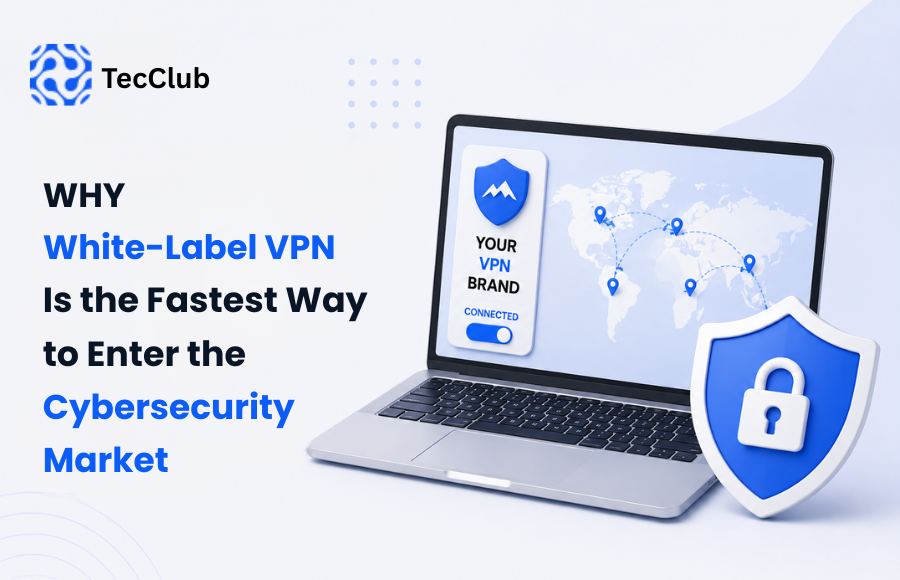
A white-label VPN is a branded VPN solution that lets an MSP, reseller, startup, or technology advisor offer secure network access under its own name without building the underlying product from scratch. In practical terms, the provider supplies the core VPN technology and the partner presents it to customers as part of its own cybersecurity portfolio.
This model is especially appealing for companies looking for a fast launch cybersecurity product. Instead of investing months or years into infrastructure, software development, and operational setup, a partner can focus on packaging, pricing, and selling a service that is already built.
How white-label branding works
White-label branding allows the partner to present the VPN service as its own. The customer sees the partner’s brand, while the technical foundation remains with the platform provider. That makes the offer feel integrated into the partner’s larger managed security services or network security reseller business.
For many firms, this is the simplest way to add a cybersecurity product category without taking on the full weight of engineering and maintenance. It is also a natural fit for a VPN reseller program, where the partner wants a repeatable offer that can be sold to multiple clients.
Why VPN is a natural first cybersecurity offer
VPNs are a familiar concept for businesses that need secure access for remote employees, contractors, and distributed teams. Because the use case is easy to understand, a white-label VPN can serve as an accessible first step into the broader cybersecurity market entry journey.
It also provides a practical bridge to modern security conversations. As organizations think about secure network access, SASE and VPN, or future zero trust-oriented architectures, a branded VPN solution is often a comfortable starting point. That familiarity helps reduce friction in sales conversations and supports faster adoption.
2. Why It’s Faster Than Building a Product From Scratch
One of the strongest reasons to choose a white-label VPN is speed. Building a cybersecurity platform from the ground up requires technical expertise, infrastructure, product testing, support processes, and market validation. A white-label option removes much of that complexity.
No need to develop core infrastructure
Core infrastructure is the biggest barrier for most new market entrants. A cloud-based VPN service supplied through a multi-tenant VPN platform already includes the technology foundation needed to deliver secure access at scale. That means the partner can spend less time on engineering and more time on customer acquisition.
This matters for MSPs and startups that want to move quickly. Rather than assembling servers, managing upgrades, and maintaining a platform, they can launch a service that is ready to sell as soon as branding and packaging are complete.
Faster onboarding, deployment, and support setup
Speed is not only about getting the product to market. It also affects how quickly new customers can be onboarded and supported. A mature VPN partner program typically includes onboarding guidance, documentation, and support structures that help the partner get operational faster.
That can shorten the time between first sales conversations and live deployments. For a managed security provider, this is important because customers often expect a security service to be dependable from day one.
Lower initial engineering and compliance burden
Launching a security product from scratch usually means more than just building software. It also creates a heavier engineering and compliance burden. Using a white-label VPN reduces the number of moving parts the partner has to manage internally.
While every business still needs to assess its own operational requirements, a partner-led model can simplify the launch path. That makes it easier to focus on market entry, service delivery, and the customer experience rather than on developing every technical component in-house.
3. The Business Benefits for New Market Entrants
For companies entering cybersecurity, the business case for a white-label VPN goes beyond convenience. It creates a commercial foundation that can support growth, client retention, and expansion into broader security services.
Recurring revenue from subscriptions
One of the clearest advantages is recurring revenue cybersecurity potential. A subscription-based VPN service can generate predictable monthly or annual income, which is attractive for MSPs and resellers that want to reduce reliance on one-time projects.
This recurring model can also improve customer lifetime value. Once the VPN becomes part of a client’s everyday security posture, it can become a durable service relationship rather than a short-term transaction.
Easier upsell path into broader security services
A white-label VPN can serve as a gateway product. Once a customer adopts the service, the provider has a natural opportunity to expand into related offerings such as managed security services, secure access, identity integration, or broader network protection.
That makes the VPN more than a stand-alone product. It becomes an entry point that can support deeper client conversations and a more comprehensive security roadmap. For a technology advisor or MSP, this creates a practical way to move from a single offer to a fuller portfolio.
Stronger client trust with a branded offer
Customers often prefer to buy from a provider they already know. A branded VPN solution reinforces that trust because the service is presented under the partner’s own identity. Instead of feeling like an add-on from a third party, it appears as part of a cohesive service stack.
This matters in competitive markets, where the perceived professionalism of the offer can influence buying decisions. A branded experience helps the partner look established, even when the service itself is delivered through a white-label model.
4. Why Demand Exists in the Cybersecurity Market
The appeal of a white-label VPN is not just on the supply side. Demand exists because businesses continue to need secure access, and they often prefer solutions that are straightforward to understand and deploy.
Businesses want secure remote access
Remote and distributed work has made secure access a baseline requirement for many organizations. A VPN is still widely recognized as a simple way to protect access to internal systems and sensitive resources.
That familiar use case makes it easier for partners to explain the value of the service. Instead of introducing a complex new concept, the conversation can stay focused on solving a clear business need: secure network access for users who are not in the office.
VPNs remain a familiar entry point into zero trust and SASE
Although the security market continues to evolve, VPNs remain a familiar entry point into broader architectural conversations. Many organizations are beginning to think about secure access through the lens of SASE and VPN models, or they are exploring related ideas such as SSE and ZTNA.
For a new entrant, that creates an opportunity. A white-label VPN can meet an immediate need while also positioning the provider as a guide for future security modernization. The product is simple enough for fast adoption, but relevant enough to support longer-term discussions about secure access strategy.
Partner programs make go-to-market easier
Another reason demand translates into opportunity is the presence of partner-friendly delivery models. A well-structured VPN reseller program or VPN partner program can give new entrants a clearer path to market through pricing, support, and branding support.
That lowers friction for resellers and MSPs that want to start selling security without building every piece of the business themselves. The result is a more practical route into a growing category, especially for firms that already have trusted customer relationships.
5. Key Features to Look for in a White-Label VPN Partner
Not every platform is equally suited to a channel business. If you want a white-label VPN to support long-term growth, the partner platform should make it easier to operate, sell, and scale the service.
Multi-tenant management
A multi-tenant VPN platform is important for MSPs and resellers managing multiple customer environments. It allows the partner to administer several clients efficiently while keeping data and configurations organized by tenant.
This structure supports better service delivery and reduces operational complexity. It is especially valuable for businesses that expect to manage more than one customer account from a central place.
Integrations with identity providers
Integration with identity providers can make the service easier to fit into existing customer environments. While the research does not specify individual integrations, the general requirement is clear: the VPN should work smoothly with the identity and access workflows customers already use.
That compatibility can strengthen the value of the offer and reduce implementation friction, both of which matter in a commercial cybersecurity sale.
Support, onboarding, and sales enablement
Strong support and onboarding can make the difference between a promising product and a practical channel business. A good partner should provide resources that help the reseller or MSP launch confidently, train internal teams, and support end customers effectively.
Sales enablement is equally important. Clear materials, process guidance, and responsive partner support help turn the white-label VPN from a technical asset into a sellable business offer.
Channel-friendly pricing and margins
For a network security reseller, economics matter. The partner model should leave room for competitive pricing while still creating healthy margins. If the pricing structure is too rigid, it can limit the provider’s ability to package the service in a way that fits its target customer.
Channel-friendly pricing supports the recurring revenue model and gives the partner flexibility to combine the VPN with broader managed security services or other branded offers.
| What to evaluate | Why it matters |
|---|---|
| Multi-tenant management | Simplifies administration across multiple clients |
| Identity integration | Fits into existing customer access workflows |
| Onboarding and support | Speeds launch and improves customer experience |
| Channel-friendly pricing | Preserves margins and supports flexible packaging |
6. Common Use Cases for MSPs and Resellers
White-label VPN services fit naturally into the daily work of MSPs and resellers because they address common customer needs without requiring a completely new sales motion.
Protecting remote teams
One of the most straightforward use cases is protecting remote teams. Businesses want employees to access internal resources securely, and a VPN gives the provider a clear way to support that need under its own brand.
This is especially relevant for firms serving distributed workforces, hybrid teams, or clients that need reliable secure access for off-site users.
Securing client access to SaaS and internal tools
Another common use case is helping clients secure access to SaaS applications and internal tools. A white-label VPN can become part of the access layer that protects sensitive business systems and reduces exposure during remote connections.
For MSPs, that creates a simple, understandable offer that complements existing service relationships.
Bundling with broader managed security offerings
A white-label VPN can also be bundled with broader managed security services. That bundling approach helps the provider build a more complete solution around secure access, network protection, and client support.
Because the service is branded, it can sit naturally alongside other offers in the portfolio. This makes it easier to create a more cohesive customer package while supporting upsell and retention opportunities.
7. How to Launch a White-Label VPN Offer
Launching a white-label VPN offer does not need to be complicated, but it should be intentional. A simple, structured approach can help the partner move quickly while still presenting a professional service.
Define your niche and target customer
Start by deciding who the service is for. MSPs, managed security providers, resellers, and startups may all use the same underlying technology, but they may position it differently depending on their audience.
A clear target customer helps shape the offer, the pricing, and the messaging. It also makes it easier to explain why the product matters in the context of secure network access and broader cybersecurity market entry.
Choose the partner platform
Next, evaluate the white-label VPN partner options available to you. Look for the features that support your go-to-market needs, including multi-tenant administration, support resources, and channel-friendly commercial terms.
Choosing the right platform is a major decision because it affects both the customer experience and your ability to scale the business over time.
Brand, package, and price the service
Once the platform is selected, package the service as a branded VPN solution that reflects your company’s identity. Clear packaging helps customers understand what they are buying and how it fits into your broader service portfolio.
Pricing should be simple enough to sell but strong enough to support recurring revenue cybersecurity goals. The best offers are easy for buyers to understand and easy for the business to operate.
Build a simple sales and support process
Finally, create a straightforward sales and support process. The more repeatable the process is, the easier it becomes to sell the service consistently and deliver it reliably.
For many partners, this is where the white-label model really shows its value. The technology is already in place, so the business can concentrate on customer relationships, service quality, and long-term growth.
Conclusion
A white-label VPN is one of the fastest and most practical ways to enter the cybersecurity market. It gives MSPs, resellers, startups, and advisors a way to launch a branded security offer without building core infrastructure, which reduces time-to-market and lowers upfront complexity.
Just as importantly, it supports recurring revenue, creates a natural upsell path into broader managed security services, and fits a real market need for secure network access. When backed by the right partner program and a thoughtful go-to-market plan, a white-label VPN can become both a quick launch cybersecurity product and a long-term business asset.
For organizations looking for an efficient cybersecurity market entry strategy, the appeal is clear: start with a trusted category, brand it as your own, and build from there.