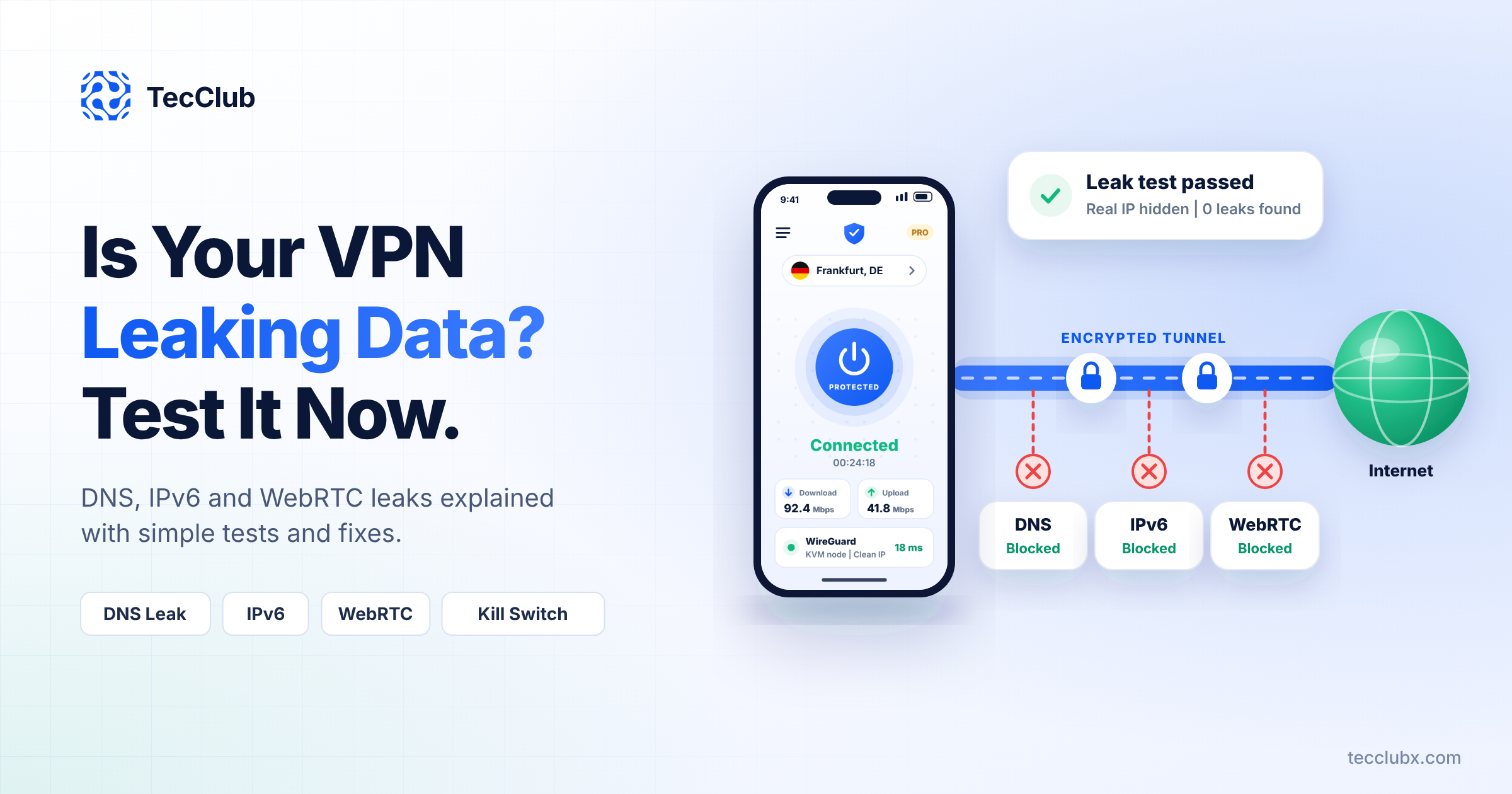

WireGuard vs OpenVPN: Which VPN Protocol Should You Really Use?
When people think about VPNs, most imagine a simple on/off switch that protects their connection. But behind the scenes, the real magic happens in the protocol—the engine that decides how your data moves, how fast it travels, and how secure it stays.
Two names keep coming up: OpenVPN and WireGuard. Both are excellent—but they’re built for different priorities. Choosing the right one can change your online experience from “meh” to “wow, this is fast and safe!”
Let’s break it down in a way that makes sense—even if you’re not a network engineer.
OpenVPN: The Reliable Old Guard
OpenVPN has been around for years, earning a reputation as the trustworthy workhorse of VPN protocols. Think of it like that reliable car you’ve owned for a decade—it may not be the fastest, but you know it’ll never let you down.
Why people love OpenVPN:
-
Rock-Solid Security: AES-256 encryption and TLS authentication keep your data airtight.
-
Universal Compatibility: Works on Windows, macOS, Linux, Android, and iOS. It also handles corporate networks, firewalls, and public Wi-Fi with ease.
-
Flexible: You can pick UDP for speed or TCP for stability depending on your situation.
Best use cases:
-
When you need maximum security, like online banking or corporate work.
-
In restricted networks or countries with strict internet monitoring.
-
For users who want stability over speed.
The trade-off:
-
OpenVPN can feel slower, especially on mobile devices or high-speed connections.
-
Its larger codebase can use more battery and resources.
WireGuard: The Fast & Modern Contender
WireGuard is newer, lighter, and built for speed. Think of it like a sleek sports car—it gets you there quickly without eating up your gas tank.
Why WireGuard stands out:
-
Blazing Fast: Lightweight code and modern cryptography let you stream, game, or browse with minimal lag.
-
Battery-Friendly: Perfect for smartphones—faster connections without draining your battery.
-
Simple & Secure: Smaller codebase means fewer vulnerabilities and easier audits.
Best use cases:
-
Streaming videos or playing online games with minimal lag.
-
Browsing on mobile devices where battery life matters.
-
Everyday privacy and fast connections without thinking about it.
The trade-off:
-
Being newer, it’s slightly less tested in highly restrictive networks.
-
Some older devices or corporate networks may not support it perfectly.
Side-by-Side Comparison
| Feature | OpenVPN | WireGuard |
|---|---|---|
| Speed | Moderate | Super Fast |
| Security | Tried & Tested AES-256 + TLS | Modern ChaCha20 encryption |
| Battery Usage | Moderate | Low |
| Network Compatibility | Excellent | Good, may need tweaks in restrictive networks |
| Code Complexity | Larger, more complex | Tiny, clean, audit-friendly |
| Setup | Medium complexity | Simple & lightweight |
Which One Should You Choose?
Here’s the honest truth: there’s no “one-size-fits-all.”
-
Need maximum security and compatibility? OpenVPN has you covered.
-
Want speed, efficiency, and a seamless mobile experience? WireGuard is your friend.
The smartest VPNs today don’t force you to pick—they offer both. That way, you can enjoy WireGuard’s speed for streaming and OpenVPN’s reliability when connecting to a work network or traveling in a restricted area.
The Bottom Line
OpenVPN vs WireGuard isn’t a battle; it’s about matching the tool to your needs.
-
Fast streaming? WireGuard.
-
Secure banking or corporate use? OpenVPN.
-
Traveling through restrictive networks? OpenVPN.
-
Everyday browsing? WireGuard.
The best VPN apps, like the ones we build at TecClub Technology, let your connection decide for you—automatically switching between protocols to give you speed, security, and peace of mind.
In other words: your VPN should just work, without you needing to become a network engineer.