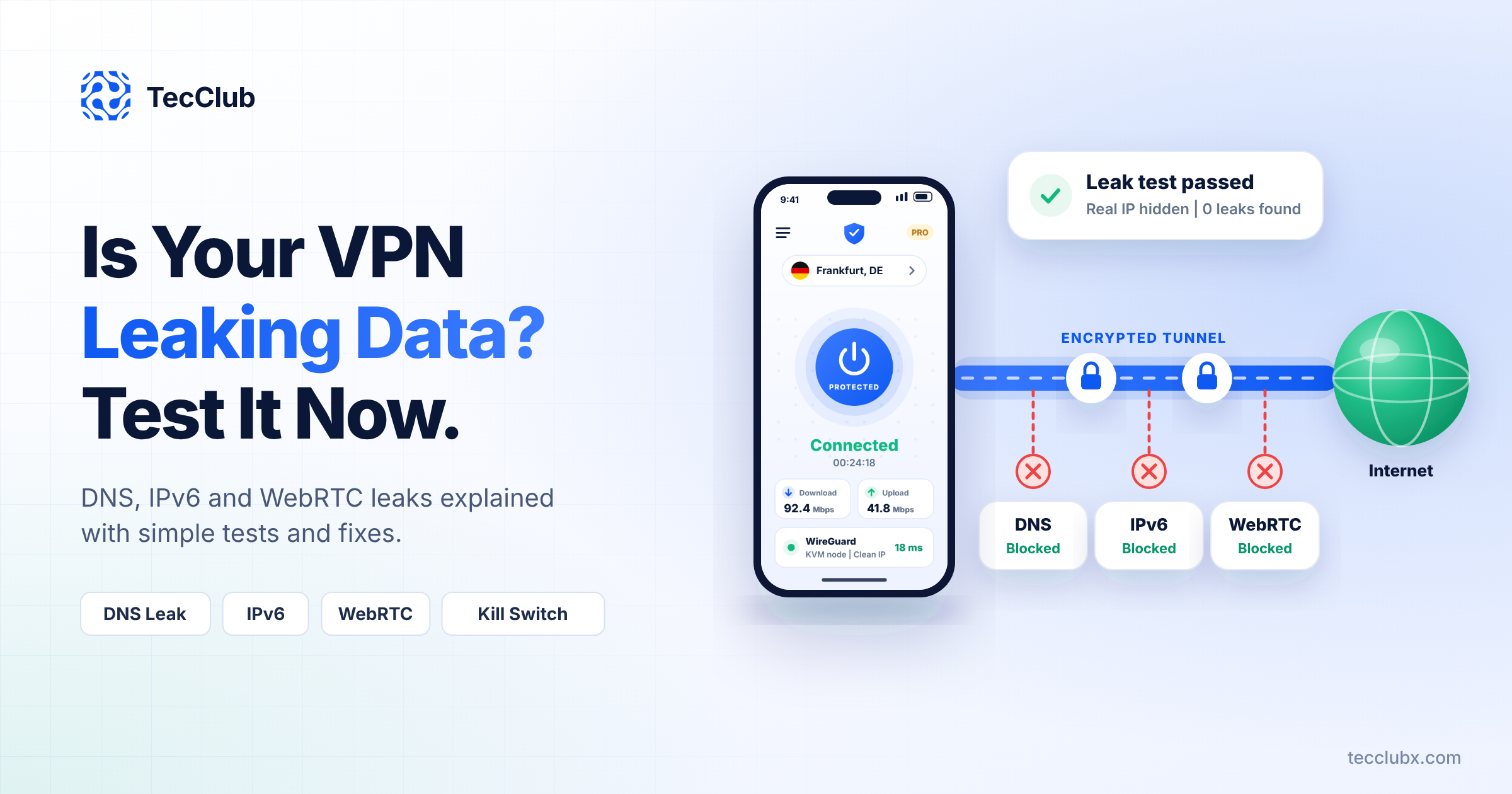

Sing-Box Architecture: Why Developers Are Choosing It for Modern VPN Systems
By TecClub Technology
The VPN world has changed a lot.
A few years ago, simply encrypting traffic was enough. Today, users expect much more — fast connections, stable performance, the ability to bypass censorship, and apps that just work no matter where they are or what device they’re using.
For developers, that raises a big question:
How do you build a VPN system that can actually keep up?
This is where Sing-Box enters the picture.
Sing-Box isn’t just another proxy core. It’s a modern networking engine built for the realities of today’s internet. At TecClub Technology, we’ve seen firsthand why more developers are moving toward Sing-Box — and why it’s becoming the foundation of next-generation VPN systems.
Let’s break it down in plain terms.
What Is Sing-Box? (Without the Jargon)
At its core, Sing-Box is a unified VPN and proxy framework.
Instead of running multiple separate systems for:
-
OpenVPN
-
Shadowsocks
-
VLESS / VMess
-
Trojan
-
SOCKS or HTTP proxies
Sing-Box brings everything together into one clean, efficient engine.
It supports:
-
VLESS
-
VMess
-
Shadowsocks
-
Trojan
-
SOCKS & HTTP proxies
-
Tun-based VPN routing
For developers, this means fewer moving parts, cleaner setups, and far more control over how traffic flows.
Why Older VPN Architectures Are Starting to Fall Behind
Many traditional VPN stacks were built for a different time. Over the years, they’ve become:
-
Heavy on CPU and memory
-
Hard to scale cleanly
-
Inefficient on mobile devices
-
Easy for modern firewalls to detect
-
Painful to manage when multiple protocols are involved
As censorship gets smarter and users get less patient, these old designs start showing cracks.
Sing-Box was built to fix exactly that.
Why Developers Love Sing-Box
1. Lightweight, Fast, and Efficient
Sing-Box is designed to stay lean.
That makes it perfect for:
-
Mobile VPN apps
-
Low-resource devices
-
High-traffic VPN servers
Lower resource usage means:
-
Faster connections
-
Better battery life on phones
-
More users per server without performance drops
For VPN providers, that’s a big win.
2. One Core, Many Protocols
Instead of juggling multiple cores, Sing-Box lets developers:
-
Run all supported protocols from one engine
-
Switch protocols dynamically
-
Combine them with smart routing rules
This is ideal for:
-
Multi-protocol VPN apps
-
Adaptive connections
-
Censorship-resistant setups
From the user’s point of view, it’s simple: they tap Connect, and the app figures out the rest.
3. Smart Routing That Feels “Intelligent”
Sing-Box isn’t just about tunneling traffic — it’s about routing it smartly.
Developers can create rules based on:
-
Domains
-
IP ranges
-
Apps (on mobile)
-
Countries or regions
This enables features users actually care about:
-
Split tunneling
-
Faster streaming
-
Banking apps working locally
-
Smarter server selection
It turns a VPN from a blunt tool into a thoughtful one.
4. Built for High-Censorship Environments
In many parts of the world, VPN traffic is actively blocked or throttled. Sing-Box handles this well because it supports modern, stealth-focused protocols like:
-
VLESS
-
Trojan
-
Shadowsocks
Combined with:
-
TLS camouflage
-
Flexible port usage
-
Advanced routing logic
The result is traffic that blends in, rather than standing out.
5. Clean, Developer-Friendly Configuration
Ask any developer what they value, and the answer is usually the same: clarity.
Sing-Box offers:
-
Structured, readable configs
-
Easier debugging
-
Safer updates
-
Cleaner version control
This reduces errors, speeds up development, and makes long-term maintenance much easier.
How We Use Sing-Box at TecClub Technology
At TecClub, Sing-Box fits perfectly into how we build modern VPN systems.
We use it to deliver:
-
Fast, responsive connections
-
Stable performance across regions
-
Flexible protocol support
Our typical setup includes:
-
Custom Sing-Box configurations per project
-
Flutter-based VPN apps for Android & iOS
-
Secure backend orchestration using Laravel APIs
-
Features like MultiHop, split tunneling, kill switch, and smart routing
The goal is simple: make the VPN feel smooth and reliable — even in difficult network conditions.
Why Sing-Box Represents the Future of VPN Architecture
The future of VPNs isn’t about picking one “best” protocol.
It’s about:
-
Adapting to different networks
-
Switching strategies when blocks appear
-
Routing traffic intelligently
-
Staying lightweight and fast
Sing-Box enables all of this from a single, modern architecture.
That’s why we see it not as a trend — but as a shift in how VPN systems are built.
Final Thoughts
Sing-Box is changing the way developers think about VPN architecture. It brings together performance, flexibility, and censorship resistance in a way that older systems simply weren’t designed to handle.
At TecClub Technology, we believe Sing-Box is a foundation worth building on — especially for anyone serious about creating modern, scalable, and future-ready VPN solutions.
If you’re planning to build a VPN or upgrade an existing system, Sing-Box isn’t just an option anymore.
It’s a smart investment in what comes next.