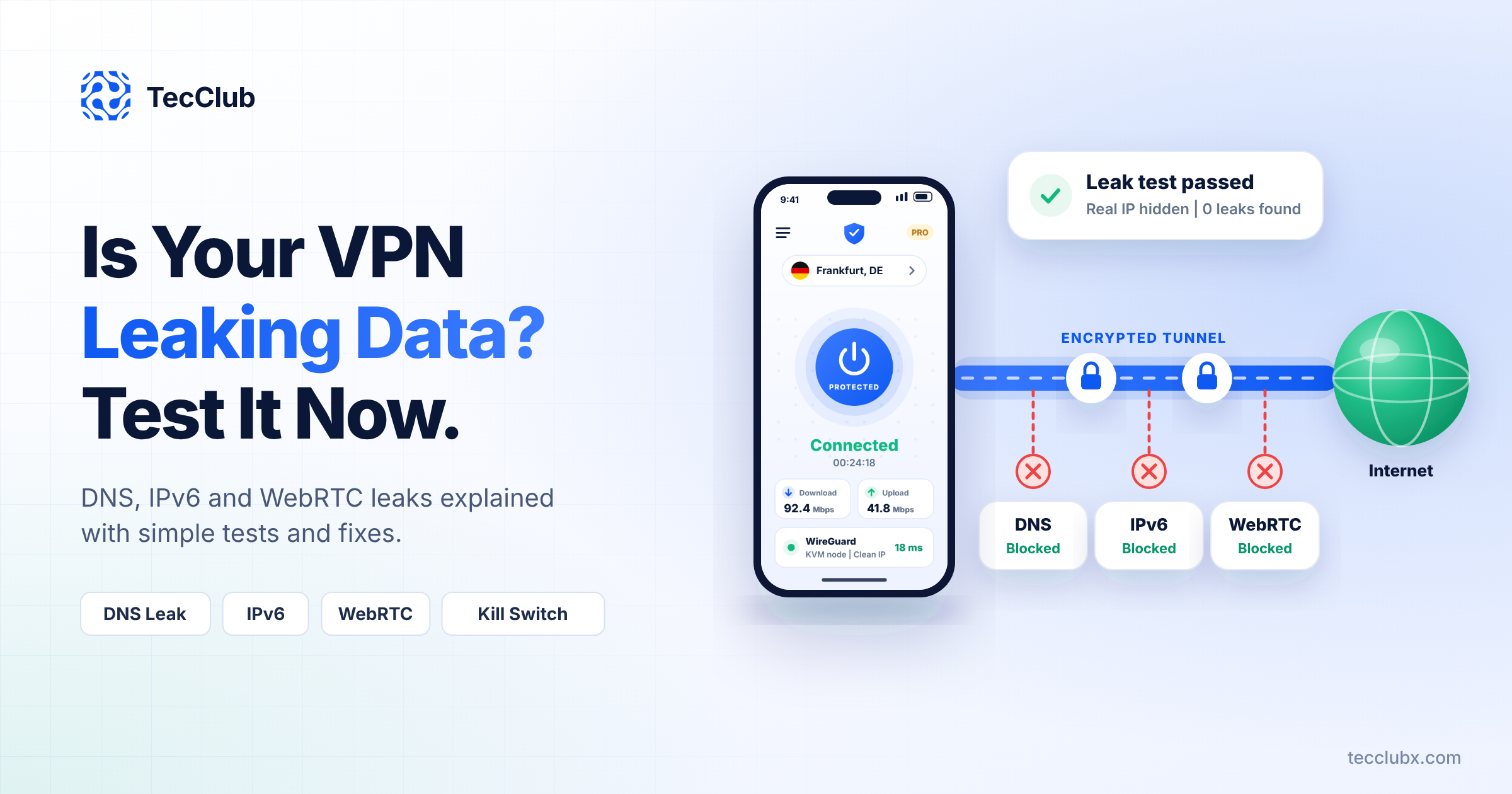

Virtual Private Networks have come a long way. In the past, VPNs were mostly simple encrypted tunnels used to hide internet traffic. Today, however, modern VPN apps are far more advanced. They are complex systems built to deliver speed, privacy, flexibility, and intelligent security.
Modern users expect much more than just encryption. They want their VPN to work smoothly across different devices, maintain fast and stable connections, and help them bypass restrictions on various networks. At the same time, they also expect strong protection against tracking, surveillance, and data monitoring.
But what actually makes all of this possible inside a VPN app?
Behind the scenes, modern VPN applications rely on several key components working together. These include powerful connection protocols, advanced features, and multiple layers of smart security technologies.
Let’s take a closer look at what powers a modern VPN application.
The Core of a VPN App: Secure Protocols
At the center of every VPN connection is something called a protocol. The protocol determines how data travels between the user and the VPN server. It controls how information is encrypted, transmitted, and authenticated during the connection.
Modern VPN apps usually support several protocols so they can deliver better performance and reliability under different network conditions.
Some of the most common protocols used today include:
• OpenVPN – widely trusted for its strong encryption and reliability
• WireGuard – a lightweight protocol known for speed and efficiency
• VLESS – a modern protocol designed for flexibility and censorship resistance
• Shadowsocks – often used to bypass strict internet restrictions
• IKEv2 – especially useful for mobile devices because it reconnects quickly when networks change
By supporting multiple protocols, VPN apps can adjust to different environments and provide users with a more stable and reliable connection.
Multi-Protocol Architecture
Instead of relying on a single protocol, many advanced VPN applications use multi-protocol architecture.
This means the VPN app can switch between different protocols depending on the situation. If one protocol becomes slow, unstable, or blocked by a network, the system can automatically move to another option.
This approach helps VPN apps:
• switch protocols automatically
• improve connection stability
• bypass network restrictions
• optimize performance and speed
Many modern VPN cores use technologies such as Sing-box or V2Ray to manage multiple protocols efficiently.
This flexibility is one of the reasons next-generation VPN apps are faster and more reliable than older VPN systems.
Essential Features in Modern VPN Apps
Encryption alone is no longer enough. Modern VPN apps now include several advanced features designed to improve both security and usability.
1. Kill Switch Protection
A Kill Switch is designed to protect user privacy if the VPN connection suddenly drops.
If the VPN disconnects unexpectedly, the Kill Switch immediately blocks internet access. This prevents any data from being transmitted without encryption.
This protection helps avoid issues such as:
• IP address leaks
• exposure of unencrypted traffic
• accidental privacy risks
Because of this, Kill Switch protection is considered one of the most important features in any VPN application.
2. Split Tunneling
Split tunneling allows users to control how their internet traffic is routed.
Instead of sending all traffic through the VPN, users can choose which apps or websites should use the VPN and which should connect directly to the internet.
This offers several benefits:
• improved connection speed
• continued access to local services
• greater control over network traffic
For example, a user might route secure browsing through the VPN while allowing streaming services to connect normally.
3. Smart Server Selection
Modern VPN apps often include systems that automatically connect users to the best available server.
These systems analyze factors such as:
• server load
• network latency
• geographic distance
By considering these elements, the VPN can select a server that provides the fastest and most stable connection for the user.
4. MultiHop Connections
Some VPN services provide MultiHop, also known as double VPN, for additional privacy.
In this setup, user traffic passes through multiple VPN servers before reaching the internet.
This adds another layer of protection, making it much harder for anyone to analyze or track the traffic.
5. Custom DNS Protection
DNS requests can reveal which websites a user visits.
To prevent this information from being exposed, modern VPN apps often use custom DNS servers that help prevent:
• DNS leaks
• ISP tracking
• domain monitoring
Secure DNS ensures that browsing activity remains private.
6. Ad & Tracker Blocking
Many modern VPN apps now include built-in systems that block unwanted connections such as:
• advertising trackers
• malicious domains
• spyware networks
These filters help improve both privacy and browsing performance.
Smart Security Technologies
Modern VPN apps rely on more than just encryption. They use several layers of security technologies to protect users from evolving cyber threats.
These systems may include:
• strong encryption algorithms
• secure authentication methods
• traffic obfuscation technologies
• intelligent routing rules
• automatic connection monitoring
Together, these layers create a secure environment for internet access.
Cross-Platform Support
Another important aspect of modern VPN apps is cross-platform compatibility.
Most advanced VPN applications support multiple operating systems, including:
• Android
• iOS
• Windows
• macOS
• Linux
This allows users to maintain privacy and security across all their devices.
Why Modern VPN Development Is Complex
Building a modern VPN app requires expertise in several different technical areas.
Developers working on VPN systems must understand topics such as:
• network engineering
• encryption technologies
• backend infrastructure
• server deployment
• scalable APIs
• cross-platform development
All of these components must work together smoothly to provide secure and reliable connections.
Final Thoughts
Modern VPN apps are far more advanced than traditional privacy tools. By combining powerful protocols, intelligent features, and layered security technologies, they deliver a fast, flexible, and secure internet experience.
As digital privacy becomes increasingly important, VPN technology will continue to evolve. Future systems will likely include smarter routing, more adaptive protocols, and even stronger security mechanisms.
Understanding how modern VPN apps work helps both businesses and users appreciate the complex technology that protects their data online.