Online privacy has become one of the biggest concerns in today’s digital world. Every time we browse the web, send messages, or log into online accounts, our data is being transmitted across networks that may not always be secure.
At the same time, data tracking, cyber threats, and internet censorship are becoming more common. Because of this, many users are now looking for stronger and more reliable ways to protect their personal information online.
In the past, traditional VPNs offered a fairly simple solution. They encrypted internet traffic and hid a user’s IP address, allowing people to browse the internet with a basic level of privacy.
However, the internet has evolved significantly over the years. Modern networks, advanced tracking technologies, and stricter filtering systems have made the online environment much more complex. As a result, VPN technology has also had to evolve.
This is where next-generation VPN systems come in. They are designed to provide stronger privacy protection, better performance, and smarter networking capabilities.
At TecClub Technology, we focus on building modern VPN platforms that combine advanced protocols, intelligent routing, and scalable infrastructure to meet the needs of today’s internet users.
Let’s explore how next-generation VPNs are reshaping the way online privacy works.
Smarter VPN Protocols for Better Security
Many traditional VPN protocols were developed years ago when internet threats were not as advanced as they are today.
Modern VPN platforms now rely on newer and more efficient technologies, including:
• WireGuard
• Shadowsocks
• V2Ray
These modern protocols are designed to deliver faster encryption, stronger privacy protection, and better overall performance.
They are also more adaptable to different network conditions. Whether someone is using mobile data, public Wi-Fi, or a home broadband connection, these protocols can maintain stable and secure connections more effectively.
This makes them well suited for today’s fast-moving, mobile-driven internet environment.
Multi-Protocol VPN Systems
Another major improvement in next-generation VPNs is multi-protocol support.
Instead of relying on a single connection method, modern VPN apps can support several protocols within the same platform. This allows the system—or sometimes the user—to switch between protocols depending on the situation.
For example:
• a faster protocol may be used for streaming or gaming
• a stealth protocol may be used in restricted networks
• a stable protocol may be used for business or remote work connections
This flexibility helps ensure that users always have access to a reliable and secure connection, no matter what type of network they are using.
Intelligent Server Selection
Modern VPN apps are becoming much smarter when it comes to choosing the right server.
Instead of asking users to manually pick a server location, many next-generation VPNs now include intelligent routing systems that automatically connect users to the most suitable server.
These systems analyze several factors, including:
• network latency
• server load
• geographic distance
• connection stability
Based on this information, the VPN can connect users to the fastest and most reliable server available.
For users, this means better speeds and fewer connection issues without having to adjust settings manually.
Advanced Privacy Features
Next-generation VPN platforms include a wide range of advanced privacy tools designed to protect users from multiple types of online threats.
Some of the most common features include:
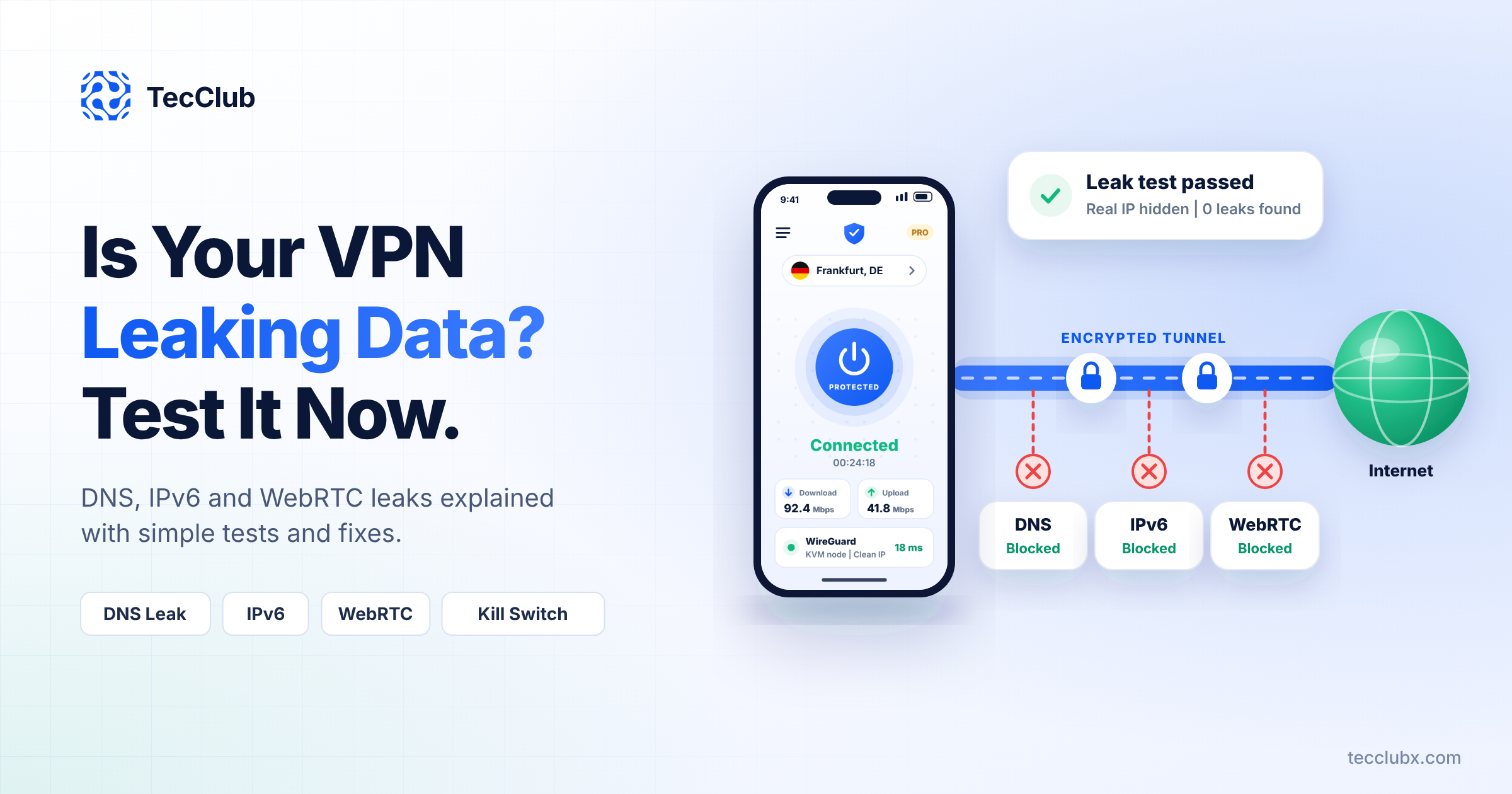
• kill switch protection
• split tunneling
• MultiHop routing
• custom DNS security
• ad and tracker blocking
Instead of relying on a single security mechanism, these features work together to create multiple layers of privacy protection.
This layered approach helps ensure that user data remains protected even if one part of the system encounters a problem.
Better Protection Against Internet Censorship
In many parts of the world, internet providers and governments use advanced filtering technologies to block VPN traffic.
Next-generation VPN systems address this challenge by using flexible networking frameworks such as Sing-box, which can help disguise encrypted traffic patterns.
By making VPN connections less recognizable to filtering systems, these technologies allow users to maintain secure access to the internet even in regions with strict censorship.
For many users, this capability plays an important role in maintaining open access to online information.
Faster Performance with Modern Architecture
Privacy protection should never mean sacrificing speed.
Modern VPN architectures are designed to minimize delays and improve connection performance. By using lightweight protocols and optimized server infrastructure, next-generation VPNs can offer:
• faster connection times
• lower latency
• more stable connections
• better performance on mobile devices
This means users can browse websites, stream content, and work online without noticeable slowdowns.
Scalable Infrastructure for Global Users
As VPN services continue to grow, they must be able to handle millions of users connecting at the same time.
Next-generation VPN systems rely on scalable backend infrastructure that can support large global networks.
These systems typically include features such as:
• global server networks
• automated server management
• dynamic configuration updates
• intelligent load balancing
This ensures the VPN service remains fast and reliable even during periods of heavy demand.
The Future of Online Privacy
The internet continues to evolve rapidly, and privacy technologies must evolve alongside it.
Next-generation VPNs are no longer just tools for hiding IP addresses. They are becoming complete privacy platforms that combine encryption, intelligent networking, and advanced security features.
With smarter protocols, adaptive routing systems, and stronger encryption methods, modern VPN solutions are setting new standards for digital privacy.
At TecClub Technology, we are committed to building innovative VPN applications that help businesses and users stay secure in an increasingly connected world.