
The demand for secure internet access continues to grow around the world. As concerns about privacy, data protection, and online freedom increase, VPN apps have quickly become one of the most in-demand digital products.
However, launching a successful VPN app involves much more than simply adding encryption and publishing it on an app store. Behind every reliable VPN service is careful planning, a strong infrastructure, secure protocols, and a backend system capable of scaling as the user base grows.
In this guide, we’ll walk through the full journey of launching a VPN app — starting from the initial idea and moving all the way to a successful release on major app stores.
Step 1: Define the Vision and Target Audience
Every successful VPN product begins with a clear strategy and a well-defined vision.
Before development begins, it’s important to understand exactly who the product is being built for and what problems it aims to solve.
Some key questions to consider include:
• Who is your target audience?
• Is the VPN focused on privacy, streaming, gaming, or enterprise-level security?
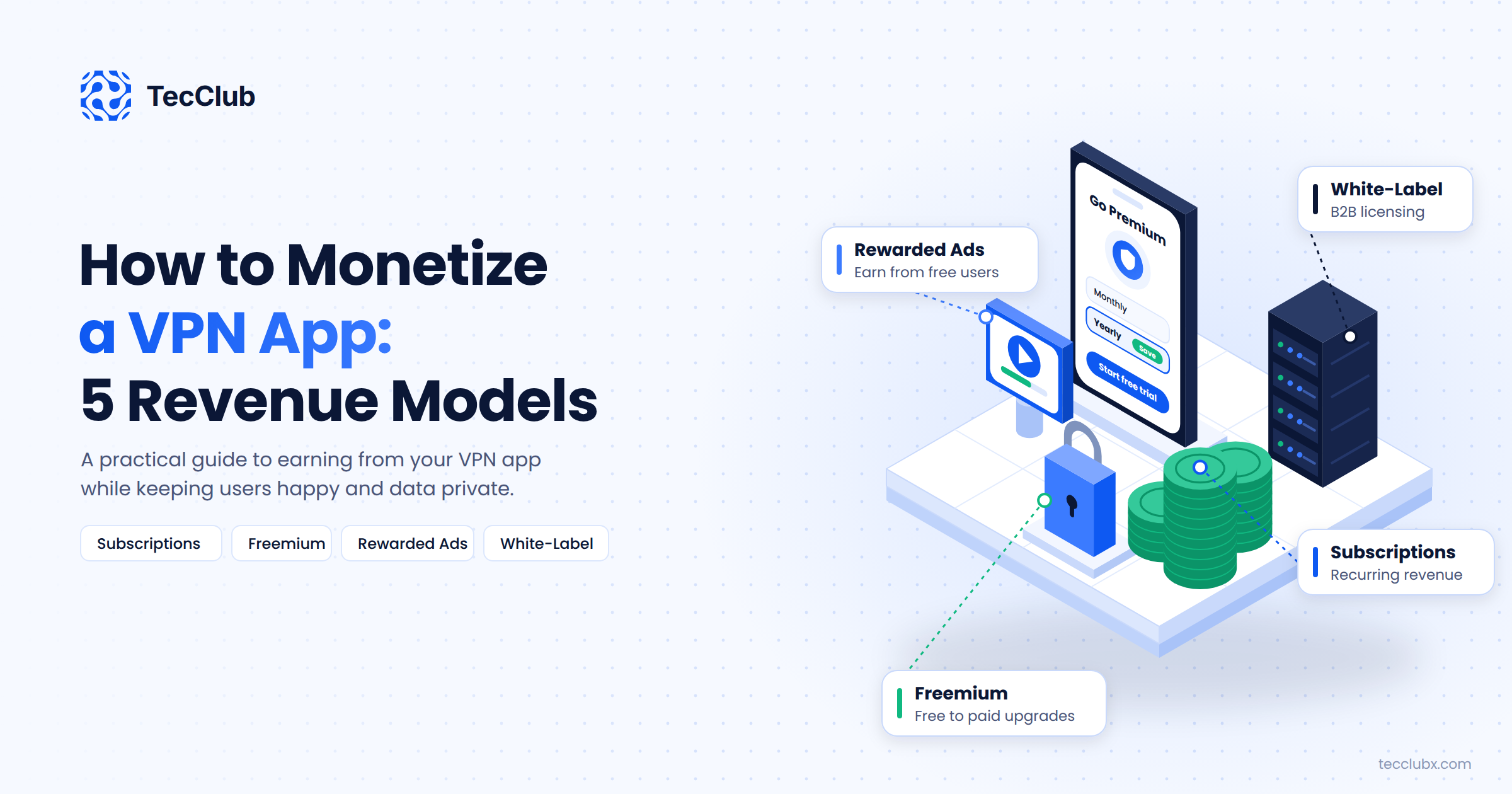
• Will it operate on a freemium model or a subscription-based service?
• Which regions will you target first?
Understanding your users early helps shape everything from feature development to pricing models and infrastructure planning.
Step 2: Choose the Right VPN Protocols
At the core of every VPN app is its protocol technology.
Modern VPN applications usually support multiple protocols in order to balance compatibility, performance, and security. Each protocol offers its own strengths depending on the network environment and user needs.
Some of the most commonly used protocols include:
• OpenVPN – highly secure and widely supported
• WireGuard – fast, modern, and lightweight encryption
• IKEv2 – excellent for mobile devices that frequently switch networks
• Shadowsocks – useful for bypassing network restrictions
• VLESS – a flexible and modern routing protocol
Supporting multiple protocols allows the VPN to perform efficiently across different networks, regions, and device types.
Step 3: Build a Scalable Backend Infrastructure
A VPN app relies heavily on its backend architecture.
While users interact with the front-end interface, the backend is responsible for managing everything that keeps the service running smoothly.
Key backend components often include:
• Authentication systems
• User management APIs
• Subscription and billing systems
• Server configuration management
• Real-time monitoring tools
A scalable backend ensures the VPN can handle growth as more users join the platform without sacrificing performance or stability.
Step 4: Deploy Global VPN Servers
Server infrastructure plays a critical role in determining VPN performance and reliability.
A well-designed VPN network typically includes:
• Server locations across multiple regions
• Load balancing systems
• Low-latency routing
• Redundant failover mechanisms
The better optimized the server network is, the smoother and faster the overall user experience becomes.
Step 5: Develop Cross-Platform Apps
To reach users worldwide, VPN apps should be available across multiple platforms.
Common platforms include:
• Android
• iOS
• Windows
• macOS
• Linux
Supporting multiple operating systems allows users to stay protected on all their devices, whether they are using smartphones, laptops, or desktops.
Modern development frameworks also make it possible to maintain a unified codebase while still delivering smooth, native-like performance.
Step 6: Implement Essential VPN Features
To compete effectively in today’s VPN market, apps must include both strong security and practical usability features.
Common features found in modern VPN applications include:
• Kill Switch protection
• Split tunneling
• Auto-connect functionality
• Smart server selection
• MultiHop routing
• Custom DNS integration
• Ad and tracker blocking
These features give users greater control over their connection while improving security and flexibility.
Step 7: Focus on User Experience (UX)
Even the most secure VPN service can struggle if the user interface is complicated or difficult to use.
That’s why successful VPN apps place strong emphasis on user experience.
Key UX elements often include:
• One-tap connection
• Clean and intuitive interface design
• Fast server switching
• Dark mode support
• Multi-language interfaces
A simple and user-friendly design helps increase adoption and long-term retention.
Step 8: Security Testing and Optimization
Before launching the app publicly, thorough testing is absolutely essential.
VPN testing usually includes:
• Encryption verification
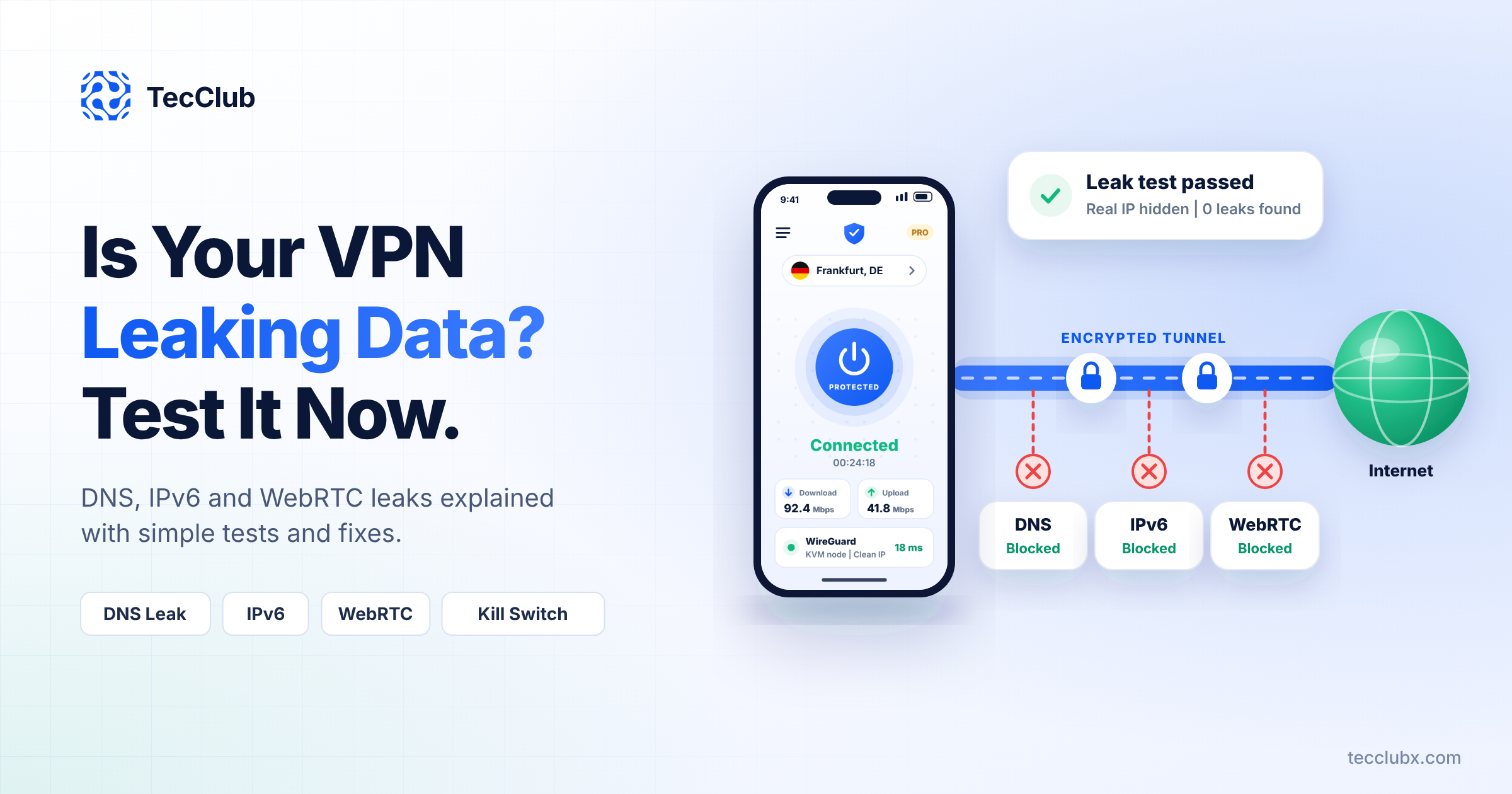
• Data leak testing
• Performance optimization
• Protocol stability checks
• Network switching tests
Since VPN apps are built around trust and privacy, ensuring strong security and stable performance is critical before release.
Step 9: Prepare for App Store Launch
Publishing a VPN app requires compliance with platform guidelines and technical requirements.
Important launch preparation steps typically include:
• App Store Optimization (ASO)
• Privacy policy documentation
• Security transparency
• Subscription system integration
• Performance certification
Proper preparation increases the chances of approval and helps improve visibility after launch.
Step 10: Post-Launch Monitoring and Updates
Launching the app is only the beginning of the journey.
Successful VPN services continue improving their platforms over time through ongoing monitoring and updates.
This process often involves:
• Performance monitoring
• Server network expansion
• Security updates
• Feature improvements
• Incorporating user feedback
Continuous improvements help maintain reliability and keep the product competitive in the market.
Why the Right Development Partner Matters
Launching a VPN successfully requires expertise in cybersecurity, networking, and scalable software development.
Our team provides complete VPN development services including:
✔ Custom VPN app development
✔ Multi-protocol integration
✔ Cross-platform mobile and desktop apps
✔ Secure backend infrastructure
✔ Global server architecture
✔ White-label VPN solutions
✔ Ongoing maintenance and upgrades
We help businesses turn VPN ideas into fully operational products ready for global users.
Final Thoughts
Launching a VPN app successfully requires a combination of strong technology, secure infrastructure, and thoughtful user-focused design.
From selecting the right protocols to deploying global servers and optimizing the user experience, every step plays an important role in building a reliable and scalable VPN service.
With the right development strategy, a simple idea can evolve into a powerful digital product used by people around the world.