When someone uses a VPN, they don’t think about servers, data flow, or network health.
They just expect one thing:
“It should be fast… and it should just work.”
But behind that simple experience, there’s a lot going on.
VPN networks are spread across different countries, users connect from all kinds of networks, and conditions are constantly changing. If you’re not watching what’s happening in real time, things can break—and users will feel it immediately.
That’s why real-time monitoring is so important.
At TecClub Technology, we build VPN systems that are always watching themselves, adjusting, and improving—so users never have to think about it.
Why Monitoring Really Matters
Think of it like driving a car.
If you have no dashboard—no speed, no fuel, no warnings—you’re just guessing. Sooner or later, something goes wrong.
A VPN without monitoring is the same.
You wouldn’t know:
- which server is getting slow
- where users are facing issues
- or when something is about to fail
Real-time monitoring gives you that visibility.
It helps us:
- catch problems early
- fix things before users notice
- keep everything running smoothly
What We Keep an Eye On
To keep performance strong, we’re constantly tracking a few important things.
Speed (Latency)
This tells us how quickly data is moving.
If it gets too high, users start feeling lag—so we step in and fix it.
Traffic Load
We watch how busy each server is.
If one server gets overloaded, we shift users to better ones so performance stays smooth.
Connection Quality
Sometimes data gets lost along the way.
When that happens, users might see buffering or slow loading. Monitoring helps us catch and fix that quickly.
Server Condition
We also check how healthy each server is.
If a server starts struggling, we know right away—and take action before it becomes a problem.
How This Works in the Background
All of this happens quietly.
Small background systems are constantly:
- checking performance
- collecting data
- sending updates
Tools like Sing-box even make it easier by tying monitoring directly into how the VPN handles traffic.
So everything stays fast and efficient.
Seeing Everything in One Place
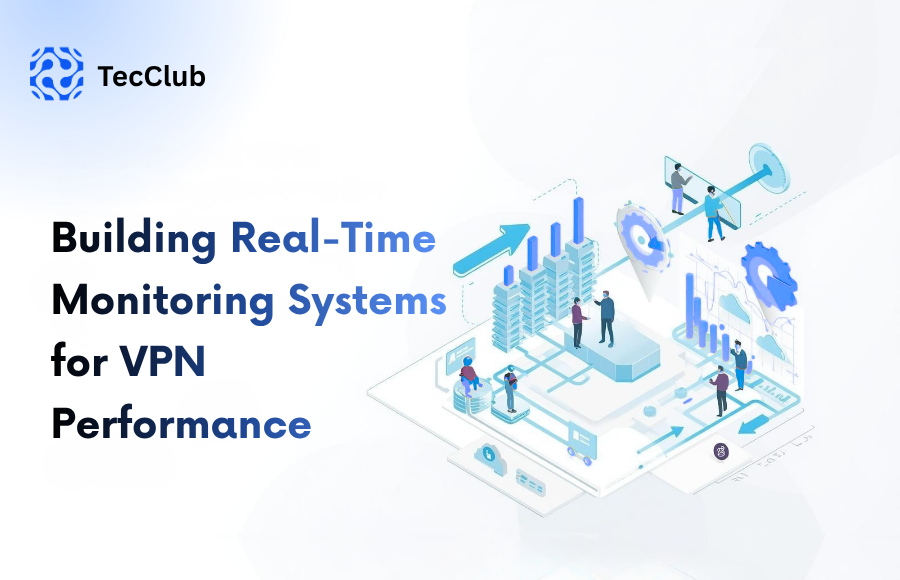
All this data comes together in a single dashboard.
From there, we can instantly:
- spot slow servers
- detect issues
- see how the entire network is performing
It’s like having a live map of everything happening at once.
Fixing Problems Automatically
Here’s the best part.
The system doesn’t just show problems—it can fix them too.
For example, it can:
- move users to faster servers
- balance traffic automatically
- restart unhealthy systems
- adjust routes in real time
All without manual work.
Smarter Connections for Users
When a user taps “Connect,” they’re not just randomly assigned a server.
The system quickly checks:
- which server is fastest right now
- which one is less busy
- which one is closest
Then connects them to the best option instantly.
Adapting to Different Networks
Not all networks behave the same.
So the system keeps testing what works best and can switch methods if needed—making sure the connection stays fast and stable.
Catching Issues Early
If something unusual happens, the system raises a flag.
Whether it’s:
- a server going down
- a sudden spike in traffic
- or performance dropping
We know about it immediately—and can fix it fast.
Watching the Real User Experience
It’s not just about servers—we also care about how users actually feel.
So we track things like:
- how often connections succeed
- how stable sessions are
- how consistent speeds remain
This helps us keep improving the experience over time.
Built to Handle Growth
As more users join, things get more complex.
So our monitoring systems are built to:
- handle large amounts of data
- support global users
- stay fast even at scale
Keeping Everything Secure
Even monitoring needs protection.
We make sure:
- all data is encrypted
- access is controlled
- systems are secure
So nothing becomes a weak point.
How We Do It at TecClub Technology
At TecClub Technology, we build VPN systems that are always aware of what’s happening.
They:
- monitor performance in real time
- adjust automatically
- fix issues before users notice
Our goal is simple: make everything feel smooth and reliable—without users ever thinking about it.
Final Thoughts
A great VPN isn’t just about connecting—it’s about staying fast and stable all the time.
And that’s only possible when the system is constantly watching, learning, and improving.
Real-time monitoring makes that happen.
At TecClub Technology, we make sure the system is always working behind the scenes—
so for the user, everything just feels easy.