
Building a MultiHop VPN: Multi-Layer Encryption for Real Privacy
Online privacy today is about much more than just hiding your IP address. It’s about making sure no single point in your connection can reveal who you are, where you’re connecting from, or what you’re doing online.
As surveillance becomes smarter, tracking more subtle, and cyber threats more advanced, a standard one-server VPN simply isn’t enough for people who truly care about privacy.
That’s where MultiHop VPN technology steps in.
At TecClub Technology, we build MultiHop VPN systems that add multiple layers of encryption and routing—creating a level of privacy that’s far harder to trace, monitor, or compromise, while still keeping the experience smooth and usable.
Let’s walk through what MultiHop VPNs really are, why they matter, and how we build them the right way.
What Is a MultiHop VPN (In Plain Language)?
A traditional VPN connection looks like this:
You → VPN Server → Internet
That setup hides your IP—but everything still exits through a single point.
A MultiHop VPN adds extra stops along the way:
You → Server #1 → Server #2 → Internet
And in advanced setups:
You → Server #1 → Server #2 → Server #3 → Internet
Each “hop” does something important:
-
Adds its own layer of encryption
-
Assigns a new IP address
-
Separates where you enter the VPN from where your traffic exits
So instead of one locked door, your data passes through multiple locked rooms, each unaware of the full picture.
Why MultiHop VPNs Offer a Much Higher Level of Privacy
1. Multiple Layers of Encryption
Every server hop encrypts and decrypts traffic independently.
That means even if:
-
One server is compromised
-
Traffic is monitored
-
Logs are demanded
There’s still no single place where your identity and activity meet.
Your real IP never appears alongside your final destination—and that’s a huge privacy win.
2. Much Harder to Track or Monitor
MultiHop VPNs are especially effective against:
-
ISP monitoring
-
Government surveillance
-
Exit-node snooping
-
Traffic correlation attacks
Because traffic is split across locations and jurisdictions, following the full path becomes extremely difficult—even for advanced monitoring systems.
3. Extra Safety on Risky Networks
MultiHop VPNs are ideal for people who simply can’t afford mistakes, such as:
-
Journalists and researchers
-
Remote teams in restricted regions
-
Businesses handling sensitive data
-
Users relying on public or untrusted Wi-Fi
It adds an extra safety cushion when privacy really matters.
How We Build MultiHop VPNs at TecClub Technology
We don’t treat MultiHop as a checkbox feature. It’s built directly into the core architecture.
1. Intelligent Server Chaining
We carefully design routing paths so that:
-
Entry and exit servers are in different regions
-
No server has complete user visibility
-
Server roles are isolated
This prevents correlation—even at the infrastructure level.
2. Support for Modern & Advanced Protocols
Our MultiHop systems work seamlessly with:
-
WireGuard – fast and lightweight
-
OpenVPN – proven and reliable
-
IKEv2/IPSec – stable on mobile networks
-
VLESS / VMess – censorship-resistant
-
Shadowsocks – fast and obfuscated
-
Sing-box – modern, unified VPN architecture
Users can change protocols without losing MultiHop protection.
3. Simple Experience for the User
Even though the technology behind MultiHop is complex, using it shouldn’t be.
That’s why we design:
-
One-tap MultiHop enable/disable
-
Pre-configured, safe server routes
-
Smart auto-selection based on speed and load
-
Clear connection and security indicators
Strong privacy shouldn’t feel intimidating.
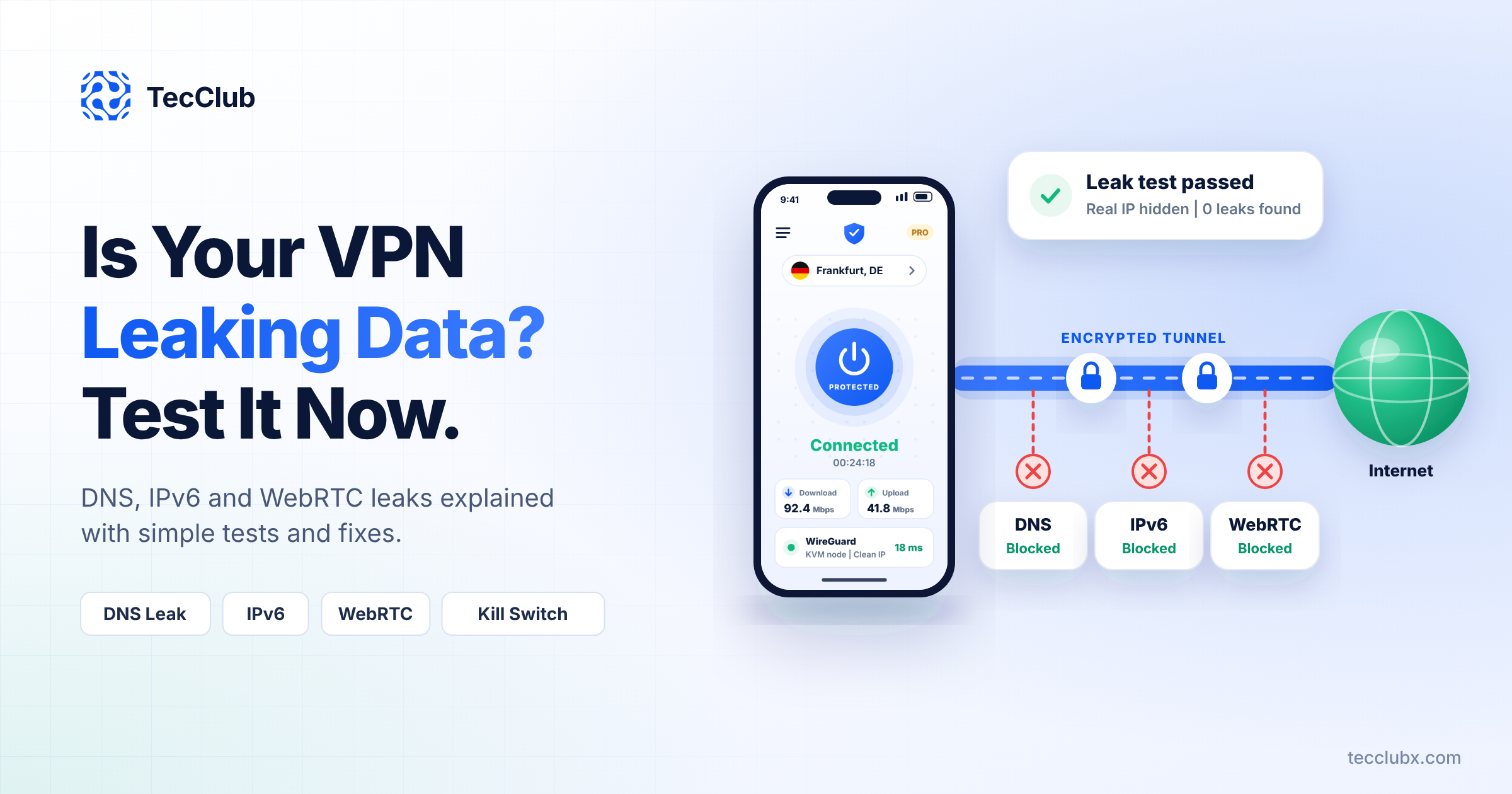
4. Leak-Proof Custom DNS
A MultiHop VPN only works if DNS stays protected too.
We integrate:
-
Private custom DNS
-
DNS-over-HTTPS / DNS-over-TLS
-
Strict DNS leak prevention
-
Optional ad & tracker blocking
This ensures no metadata escapes the tunnel.
5. Kill Switch & Fail-Safe Protection
If any hop fails, our system reacts instantly:
-
Internet traffic is blocked
-
IP leaks are prevented
-
The tunnel rebuilds automatically
Privacy stays intact—even during unstable connections.
Performance vs Privacy: Finding the Balance
Yes, MultiHop can add a bit of latency—but it doesn’t have to feel slow.
We optimize heavily using:
-
Smart hop selection
-
Load-balanced servers
-
Region-aware routing
-
Protocol-specific tuning
Users can also choose what fits their moment:
-
Single-hop for everyday speed
-
MultiHop for sensitive activity
Privacy should be flexible, not forced.
A Real-World Example
You connect to café Wi-Fi.
❌ Without MultiHop
Traffic exits through one VPN server—still vulnerable to correlation.
✅ With MultiHop
The first server knows who you are, but not where you’re going.
The exit server sees traffic, but has no idea who you are.
No single system can connect the dots.
Why MultiHop VPNs Matter in 2026 and Beyond
Privacy threats aren’t slowing down—and single-layer protection isn’t enough anymore.
MultiHop VPNs represent:
-
The future of privacy-focused VPNs
-
Enterprise-grade protection for everyday users
-
A major differentiator for serious VPN products
At TecClub Technology, we build MultiHop not as an add-on—but as a strategic privacy layer.
Final Thoughts
MultiHop VPNs aren’t about paranoia—they’re about preparation.
By combining:
-
Multi-layer encryption
-
Intelligent routing
-
Modern protocols
-
Leak-proof DNS
-
Reliable fail-safes
We help users and businesses achieve real privacy, without sacrificing usability.
If you’re building a next-generation VPN product, MultiHop is no longer optional—it’s essential.