
There was a time when security was simple.
If you were “inside” the network, you were trusted. If you were outside, you were blocked.
But that model doesn’t really work anymore.
Today, people are working remotely, switching between devices, using cloud apps, and connecting from all kinds of networks—some secure, some not. The old idea of a fixed, secure boundary has basically disappeared.
That’s exactly why modern VPN apps are moving toward something more reliable: Zero-Trust Security.
At TecClub Technology, this is the approach we follow when building VPN systems—where nothing is trusted automatically, and every connection is verified continuously.
Let’s break down how this actually works.
What Is Zero-Trust Security?
At its core, Zero-Trust is built around a very simple idea:
“Never trust, always verify.”
Instead of assuming a user or device is safe just because it’s connected, the system constantly checks and validates everything.
That includes:
• verifying identity every time
• validating the device and its condition
• applying strict access controls
So even if something looks legitimate, it still has to prove itself again and again. That’s what makes the system much more secure.
Why Traditional VPN Security Isn’t Enough
Older VPN systems were designed for a different kind of internet.
Typically, they would:
• grant full access after login
• trust the device once it connects
• provide little to no continuous monitoring
At first glance, that sounds convenient—but it creates real risks.
For example:
• if credentials are stolen, attackers can gain full access
• once inside, they can move freely across the network
• there’s limited visibility into what users are actually doing
Zero-Trust fixes these gaps by removing the idea of “automatic trust.”
How Zero-Trust Works Inside a VPN App
1. Continuous Authentication
Instead of logging in once and staying trusted forever, Zero-Trust systems keep checking.
They:
• verify user identity regularly
• monitor session activity
• request re-authentication when needed
So even during an active session, security checks are always happening in the background.
2. Device Verification
Not every device connecting to a VPN is equally safe.
Modern VPN apps take that into account by checking:
• device identity
• security status
• application integrity
If a device looks suspicious or compromised, its access can be limited—or blocked entirely.
3. Granular Access Control
Zero-Trust doesn’t believe in “all-access” permissions.
Instead:
• users only access what they actually need
• permissions are based on roles
• sensitive systems stay isolated
This way, even if something goes wrong, the impact is contained.
4. Secure Tunnel + Policy Enforcement
Yes, protocols like WireGuard or OpenVPN still create encrypted tunnels—but Zero-Trust adds another layer on top.
Inside that tunnel, the system enforces:
• policy-based access rules
• real-time traffic validation
• context-aware security decisions
So it’s not just about encrypting data—it’s about controlling how that data moves.
5. Intelligent Traffic Routing
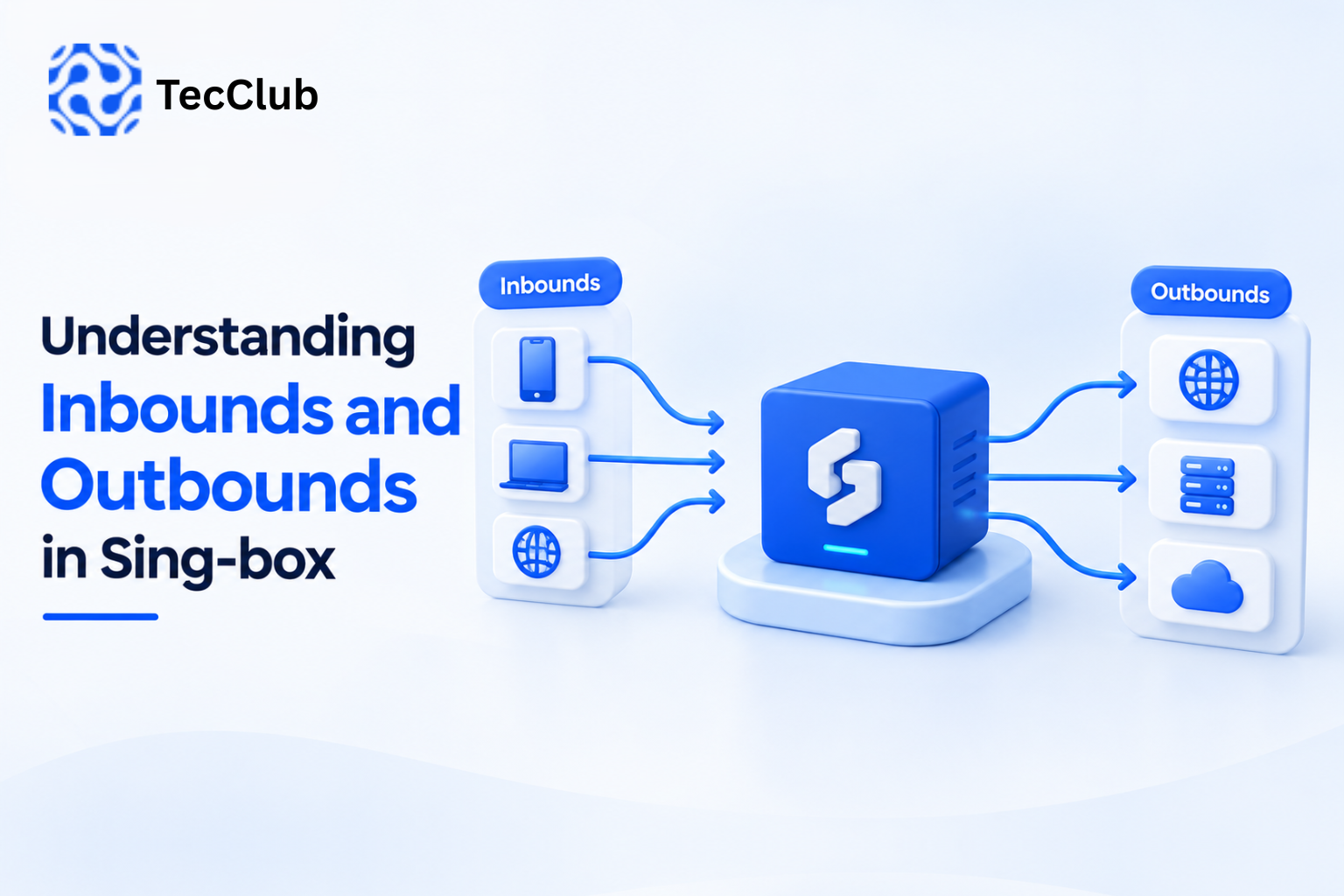
With modern frameworks like Sing-box, VPN apps can go even further.
They allow:
• application-level routing
• domain-based access control
• traffic segmentation
This means users are only able to access exactly what they’re allowed to—nothing extra, nothing accidental.
6. Continuous Monitoring & Threat Detection
Zero-Trust systems don’t just verify—they also observe.
They constantly analyze:
• user behavior
• traffic patterns
• unusual connection activity
If something feels off, the system reacts immediately:
• access can be restricted
• sessions can be terminated
• alerts can be triggered
All of this happens in real time.
Benefits of Zero-Trust VPN Architecture
Bringing Zero-Trust into VPN apps makes a noticeable difference.
✅ Stronger Security
No automatic trust means fewer opportunities for attacks.
✅ Reduced Data Breaches
Limited access prevents issues from spreading across systems.
✅ Better Control for Businesses
Admins can define exactly who gets access to what.
✅ Safer Remote Work
Users can connect securely from anywhere without compromising security.
How TecClub Technology Implements Zero-Trust
At TecClub Technology, we build VPN systems with Zero-Trust at the core.
Our approach includes:
• secure, layered authentication
• device-level verification
• multi-protocol encryption
• smart routing with controlled access
• real-time monitoring and threat detection
We don’t just encrypt connections—we actively control how those connections behave.
Why Zero-Trust Is the Future of VPN Security
The reality is simple: encryption alone isn’t enough anymore.
Modern threats require smarter systems.
VPNs today need to:
• verify continuously
• limit access intelligently
• detect threats instantly
Zero-Trust transforms VPNs from simple privacy tools into complete, intelligent security platforms.
Conclusion
Zero-Trust changes the way VPN security works.
Instead of relying on assumptions, it enforces verification at every step—making connections more secure, controlled, and reliable.
At TecClub Technology, we follow this modern approach to build VPN solutions that are ready for today’s challenges—helping users stay protected in a digital world that’s constantly evolving.