These days, people don’t stick to just one device.
You might check emails on your phone in the morning, switch to your laptop during work, and stream content on a tablet later at night. And through all of that, users expect their VPN app to feel the same everywhere.
Same experience.
Same reliability.
Same level of security.
They don’t want to open the app on another device and feel like they’re learning a completely new product.
But behind that smooth experience is a lot of engineering.
At TecClub Technology, we build VPN apps that feel familiar and consistent across Android, iPhone, Windows, macOS, and other platforms—while still optimizing each version for the unique behavior of every operating system.
Why Consistency Matters So Much
People trust apps that feel predictable.
If a VPN behaves differently on every device, users quickly notice:
- buttons are in different places
- settings work differently
- connections feel inconsistent
- some features exist on one platform but not another
Even if the VPN is technically secure, that inconsistency creates frustration.
And when users lose confidence in the experience, they often stop using the app altogether.
That’s why consistency is about much more than design—it’s about trust.
Making the App Feel Familiar Everywhere
The first thing users interact with is the interface.
So we focus heavily on creating a unified design system that feels natural across all devices.
That includes:
- clean layouts
- familiar navigation
- consistent colors and icons
- clear connection states
- simple interactions
Whether someone opens the app on a phone or a desktop, it should instantly feel recognizable.
The goal is simple:
Users shouldn’t have to “figure out” the app again every time they switch devices.
Keeping Things Simple for the User
VPN technology is already complicated behind the scenes.
Most users don’t want to think about:
- protocols
- routing systems
- encryption layers
- server configurations
They just want to open the app and feel protected.
So we design the experience around simplicity:
- one-tap connection
- automatic server selection
- smart protocol handling
- minimal setup
The complex work happens quietly in the background.
That balance between simplicity and power is what creates a great user experience.
Building with Cross-Platform Technologies
To keep experiences aligned across platforms, we often use Flutter for frontend development.
This allows us to:
- maintain a shared codebase
- keep the UI visually consistent
- release updates faster
- reduce platform-specific inconsistencies
But more importantly, it helps users feel like they’re using the same app everywhere—not completely different versions.
Consistent Features Across Devices
Users expect the same core functionality no matter where they connect from.
That means features like:
- auto-connect
- kill switch protection
- protocol support
- server selection
- account syncing
should behave consistently across all platforms.
When users move from mobile to desktop, everything should feel familiar and dependable.
Different Platforms, Different Challenges
Of course, every operating system works differently behind the scenes.
For example:
- Android handles background services differently than iPhone
- Windows gives deeper networking control than mobile devices
- macOS has its own system-level restrictions
So even though the experience feels the same on the surface, we often have to solve problems differently underneath.
That’s one of the biggest challenges in cross-platform VPN development.
And honestly, users should never notice that complexity.
Using Modern VPN Cores Like Sing-box
To help maintain consistency, we integrate modern VPN cores like Sing-box into our architecture.
This gives us:
- shared routing logic
- unified configurations
- multi-protocol support
- flexible traffic handling
Using a common core helps ensure the VPN behaves reliably across multiple platforms instead of feeling fragmented.
Making Connections Feel Reliable Everywhere
One thing users notice immediately is connection behavior.
If the VPN:
- reconnects slowly
- disconnects randomly
- behaves differently on another device
trust drops quickly.
That’s why we standardize:
- connection flow
- reconnection logic
- notifications
- background protection
- server switching behavior
The experience should feel smooth no matter where users connect from.
Syncing the Entire User Experience
Modern users often move between devices throughout the day.
So we make sure things like:
- account access
- subscriptions
- saved preferences
- app settings
stay synchronized.
This creates a connected ecosystem instead of isolated apps.
Performance Matters Too
Consistency isn’t just visual—it’s also about performance.
Users expect the VPN to feel:
- fast
- responsive
- lightweight
- stable
on every device.
So we optimize:
- battery usage on mobile
- memory consumption
- background processing
- server communication
to ensure the app performs smoothly everywhere.
Security Should Feel Consistent Too
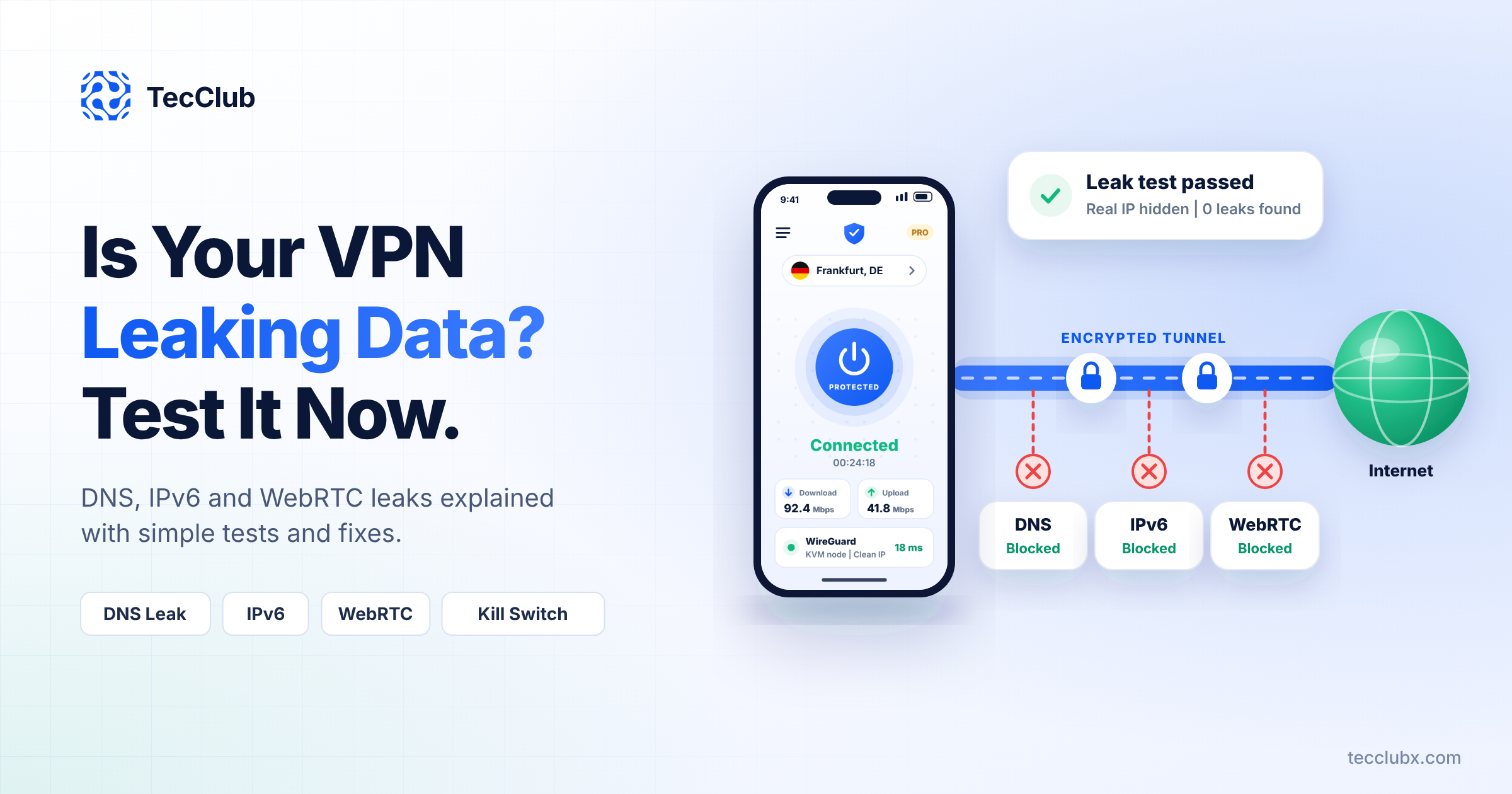
Users shouldn’t get stronger protection on one platform and weaker protection on another.
That’s why we work to maintain consistency in:
- encryption standards
- DNS leak protection
- kill switch functionality
- secure routing
- privacy controls
because trust depends on reliability.
Why Cross-Platform Consistency Improves Retention
When users feel comfortable with an app, they’re more likely to keep using it.
A consistent experience leads to:
- higher trust
- easier onboarding
- fewer support issues
- stronger long-term retention
People naturally stay with products that feel reliable everywhere.
How We Build Cross-Platform VPN Apps at TecClub Technology
At TecClub Technology, we combine:
- clean UI/UX design
- shared frontend systems
- modern VPN cores like Sing-box
- scalable backend architecture
- real-world testing across devices
to create VPN apps that feel seamless across platforms.
Our goal is simple:
No matter what device users pick up, the VPN should feel fast, familiar, and effortless to use.
Final Thoughts
Building a consistent VPN experience across multiple platforms is much harder than it looks.
Every operating system has different rules, limitations, and networking behavior behind the scenes.
But when everything is designed properly, users never think about that complexity.
They simply open the app, tap connect, and trust that it will work the same way everywhere.
At TecClub Technology, that smooth and reliable experience is exactly what we strive to build every day.