Most people think a VPN works like a simple tunnel:
You connect → your traffic gets encrypted → everything goes through one secure path.
But modern VPN systems are much smarter than that.
Today’s VPN apps need to handle different kinds of traffic in different ways. Some connections need maximum speed, some need stronger privacy, and some need to bypass restrictions without being detected.
That’s where routing rules come in.
At TecClub Technology, we use Sing-box to build VPN systems that don’t just protect traffic—they intelligently decide how traffic should move behind the scenes.
And honestly, that’s one of the biggest reasons modern VPN apps feel faster, smoother, and more reliable than older systems.
So… What Exactly Are Routing Rules?
The easiest way to think about routing rules is this:
They’re like a traffic control system for internet data.
Instead of treating all traffic the same, Sing-box can:
- look at where the traffic is coming from
- understand where it’s trying to go
- decide the best route for it
All of this happens automatically in real time.
The user never sees it—but they definitely feel the difference.
Why Routing Rules Matter So Much
Without routing rules, a VPN is pretty basic.
Everything gets pushed through the same tunnel, no matter what it is.
That can create problems like:
- slower speeds
- unnecessary server load
- unstable performance
- poor optimization
But with intelligent routing, the VPN becomes much smarter.
For example:
- streaming traffic can take the fastest route
- sensitive traffic can use stronger protection
- local apps can bypass the VPN entirely
So instead of one rigid system, you get something adaptive.
How Sing-box Organizes Traffic
Sing-box basically works in layers.
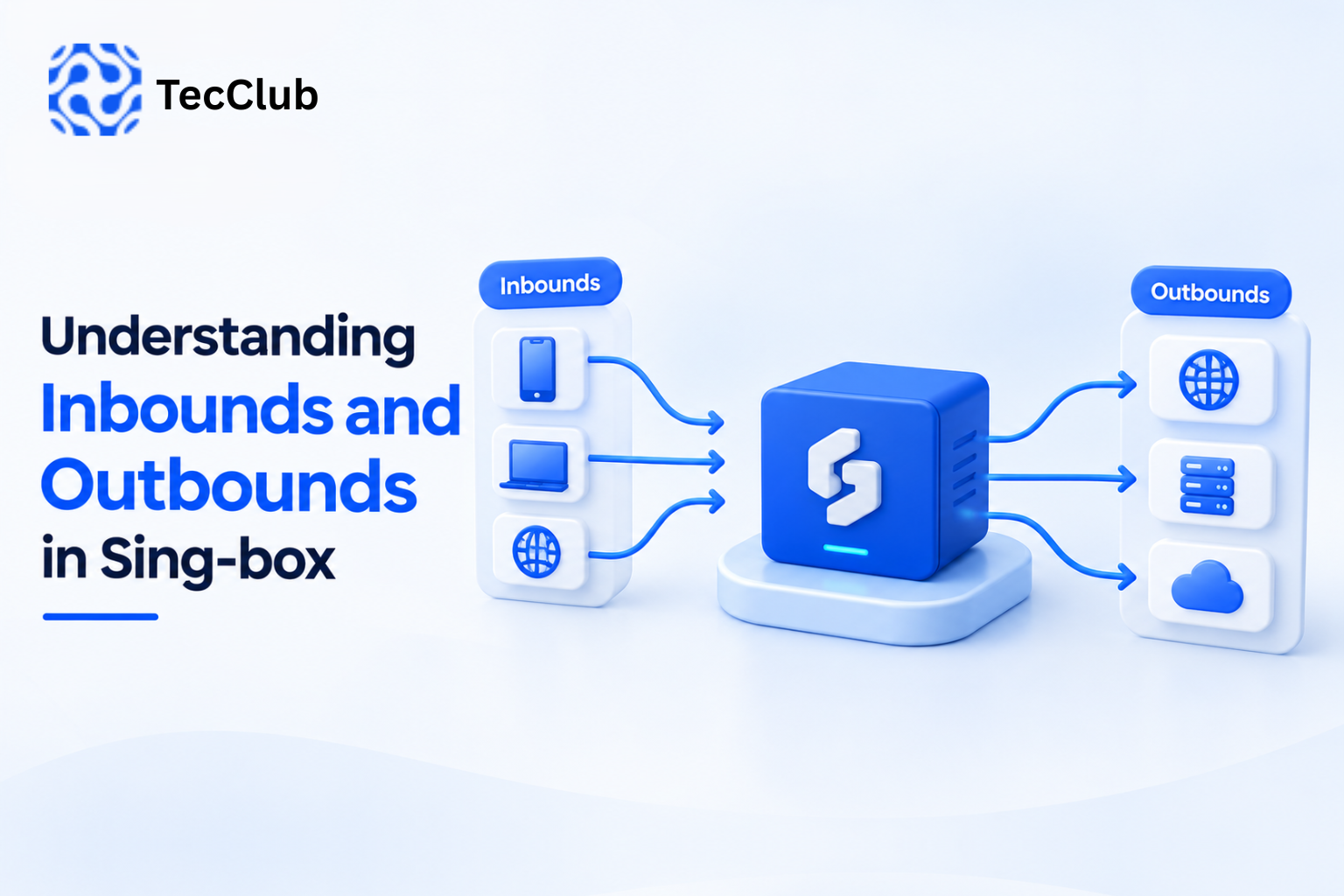
Inbounds → Where Traffic Enters
This is the traffic coming into the VPN system.
Things like:
- browser requests
- mobile app traffic
- device connections
Think of it as the “entry point.”
Outbounds → Where Traffic Leaves
This defines where the traffic goes next.
For example:
- through a VPN server
- through a proxy
- or directly to the internet
Different traffic can leave through different paths.
Routing Rules → The Decision Maker
This is the smart part.
The system checks:
- what kind of traffic it is
- where it’s going
- which rules match it
Then Sing-box decides the best route automatically.
It’s basically making hundreds of tiny networking decisions constantly in the background.
Different Types of Routing Rules
This is where things get really powerful.
Domain-Based Routing
The VPN can make decisions based on websites or services.
For example:
- streaming apps → fastest connection
- private services → more secure route
So traffic gets optimized depending on what the user is actually doing.
IP-Based Routing
Traffic can also be routed using IP addresses or regions.
This helps with:
- regional optimization
- geo-based routing
- reducing unnecessary delays
Especially useful for global VPN systems.
Protocol-Based Routing
Different protocols have different strengths.
For example:
- WireGuard → speed
- OpenVPN → stability and strong security
Sing-box can choose the best one depending on the situation.
Most users never even realize this is happening.
App-Based Routing
This is what powers features like split tunneling.
Meaning:
- some apps use the VPN
- others bypass it completely
For example:
- Netflix uses VPN
- banking app connects normally
That flexibility creates a much better user experience.
Geo-Based Routing
Traffic can also be routed based on location.
This helps:
- reduce latency
- improve loading speeds
- connect users to nearby optimized servers
Especially important for streaming and gaming.
Why Routing Makes VPNs Feel Faster
A lot of VPN speed improvements actually come from smarter routing.
Instead of forcing everything through one overloaded path, Sing-box can:
- balance traffic
- avoid congestion
- choose better routes dynamically
So the VPN feels smoother and more responsive overall.
Routing Also Helps Privacy
People often think routing is only about speed—but it also improves security.
Routing rules can:
- separate sensitive traffic
- control DNS behavior
- reduce unnecessary exposure
Combined with encryption, this creates stronger privacy protection.
Real-Time Adaptation Is the Big Advantage
One of the coolest things about Sing-box is that it adapts in real time.
If:
- a server becomes overloaded
- latency increases
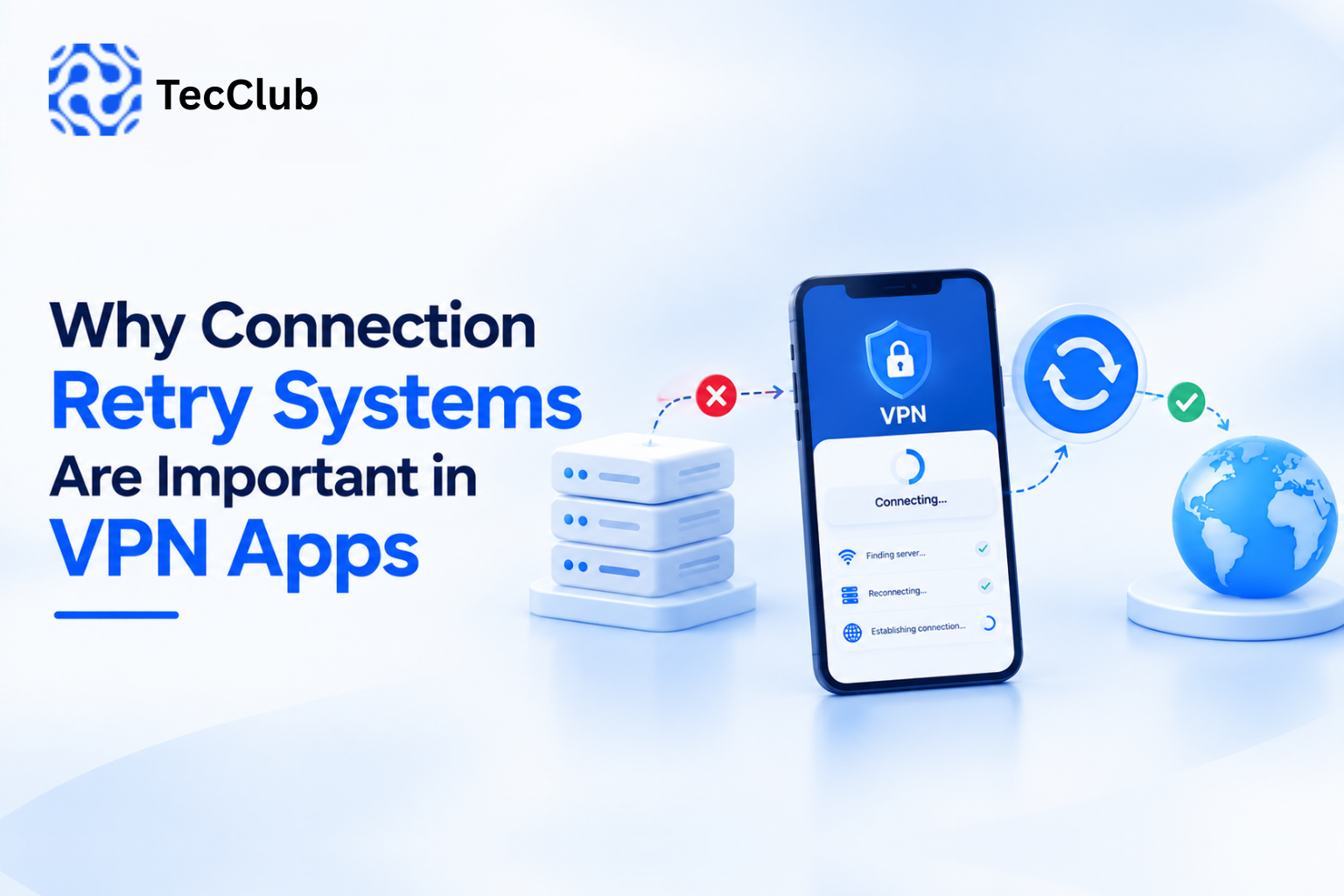
- a connection becomes unstable
The routing system can react instantly.
It adjusts traffic automatically without the user needing to touch anything.
That’s a huge part of what makes modern VPN apps feel “smart.”
A Lot of Advanced VPN Features Depend on Routing
Features people use every day are actually powered by routing logic behind the scenes.
Things like:
- split tunneling
- MultiHop connections
- smart server selection
- ad blocking
- traffic prioritization
None of these work properly without intelligent routing.
Why Developers Love Sing-box
From a development side, Sing-box gives a huge amount of flexibility.
Developers can:
- build custom traffic logic
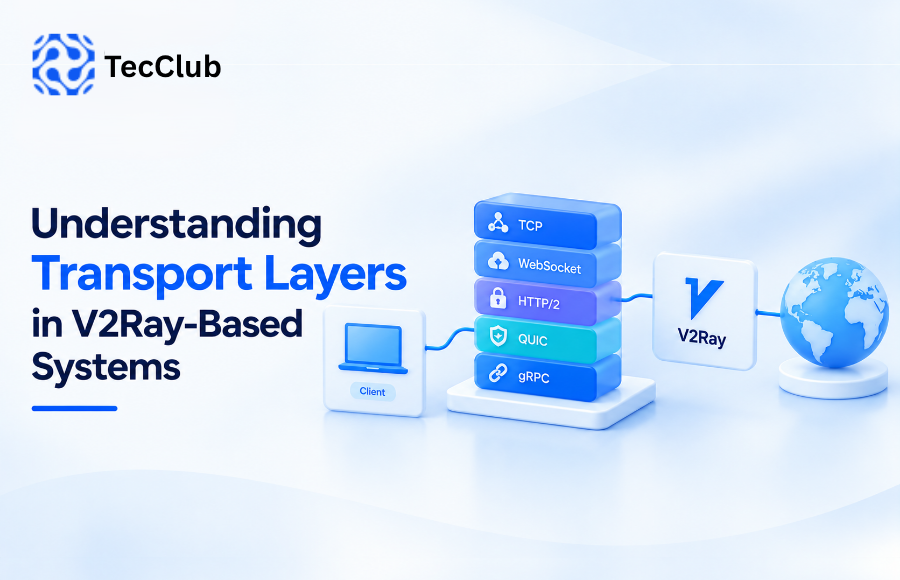
- support multiple protocols
- update routing behavior quickly
- scale large VPN infrastructures easily
And because it’s configuration-driven, systems can evolve fast without rebuilding everything.
How We Use Routing at TecClub Technology
At TecClub Technology, routing plays a major role in how we build VPN systems.
We use Sing-box to:
- optimize traffic automatically
- improve reliability
- manage multiple protocols intelligently
- adapt to changing network conditions in real time
The goal is simple:
Make everything feel smooth and effortless for the user—even though the system is doing a lot of work underneath.
Final Thoughts
Routing rules are what turn a VPN from a basic encrypted tunnel into an intelligent networking system.
Instead of blindly sending all traffic through one path, Sing-box makes smart decisions constantly in the background—improving speed, stability, privacy, and flexibility all at the same time.
At TecClub Technology, we use these capabilities to build VPN apps that don’t just protect users—
they adapt to how people actually use the internet in the real world.